
Plumbing in London, Ontario
- Free consultation
- Written estimates
- London, Ontario
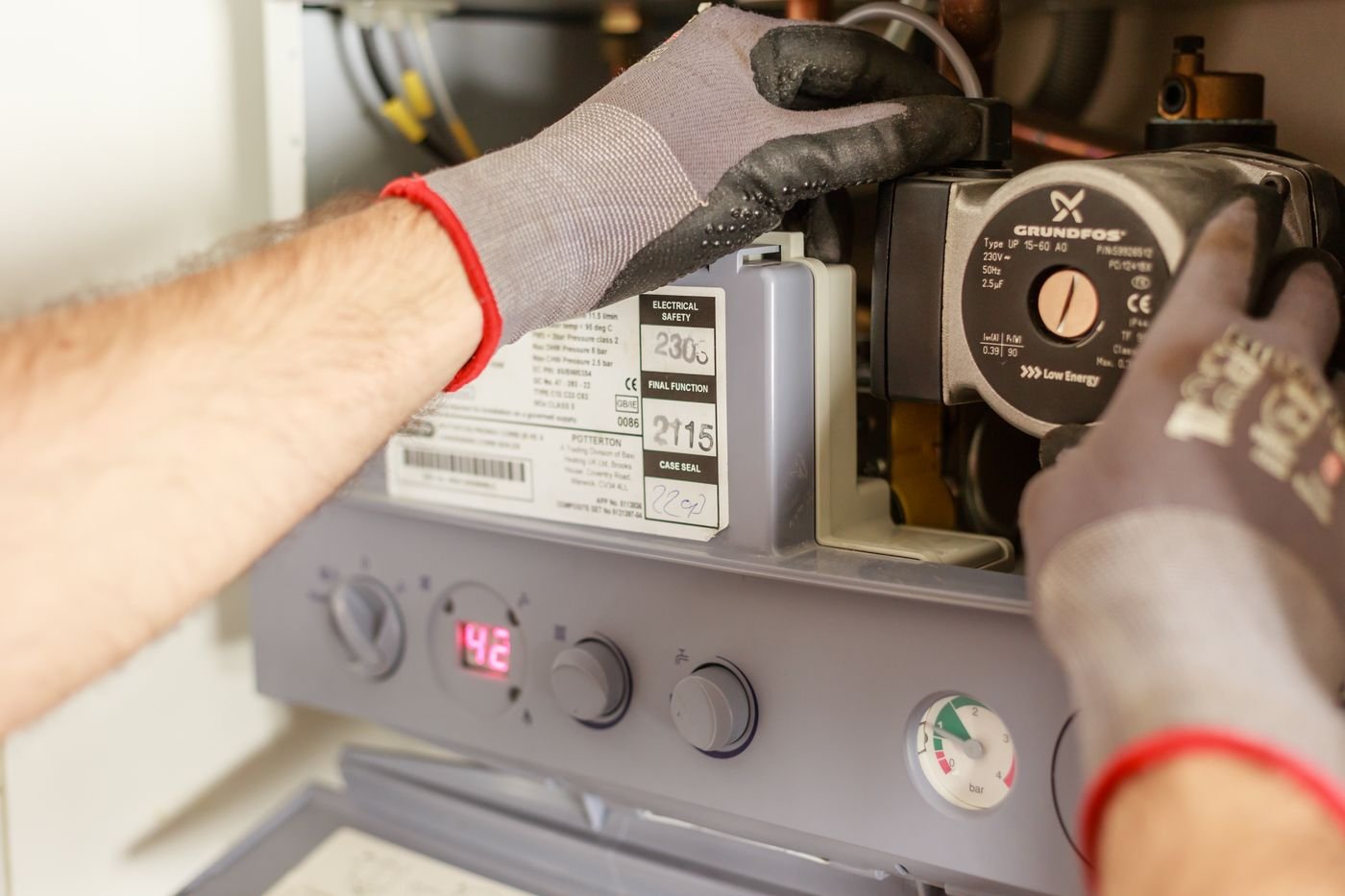
Water problems rarely wait. We help with fixture installation, leaks and plumbing needs connected to your renovation, and bring in licensed trades where the work requires it.
What Plumbing includes
- Faucets, toilets and fixture replacement
- Leak diagnosis and repair
- Plumbing coordinated with kitchen and bathroom projects
- Licensed-trade work handled in line with Ontario requirements
How we work
- Preparation. Tell us about the job. We review photos and details, ask the right questions and give you a clear estimate.
- Communication. We agree scope, materials and timing with you and keep you updated as work progresses.
- Execution. We do the work carefully, protect your space, clean up and walk you through the result.
Good to know: Shut off the water supply at the fixture or main valve if a leak is active, then contact us.
Plumbing is the part of the house you only notice when it fails
Water runs through almost every part of daily life: showers, kitchens, laundry, toilets, heating systems and outdoor taps. When plumbing works, it is invisible. When it fails, it is urgent, messy and expensive: a burst pipe at night, a toilet that will not stop running, a drain that backs up, a water heater that stops heating, a slow leak that has been quietly rotting a floor for months. The best plumbing outcomes come from understanding how the system works, catching problems early and using the right professional for the right job.
This guide explains how plumbing works in a typical home in London, Ontario, the problems we see most often, what you can safely do yourself, what must be left to licensed plumbers and how we handle plumbing projects, from small fixes to renovations. For simple fixture swaps, see toilet and faucet installation, and for a DIY-versus-professional comparison, see our blog guide on replacing a faucet or toilet.
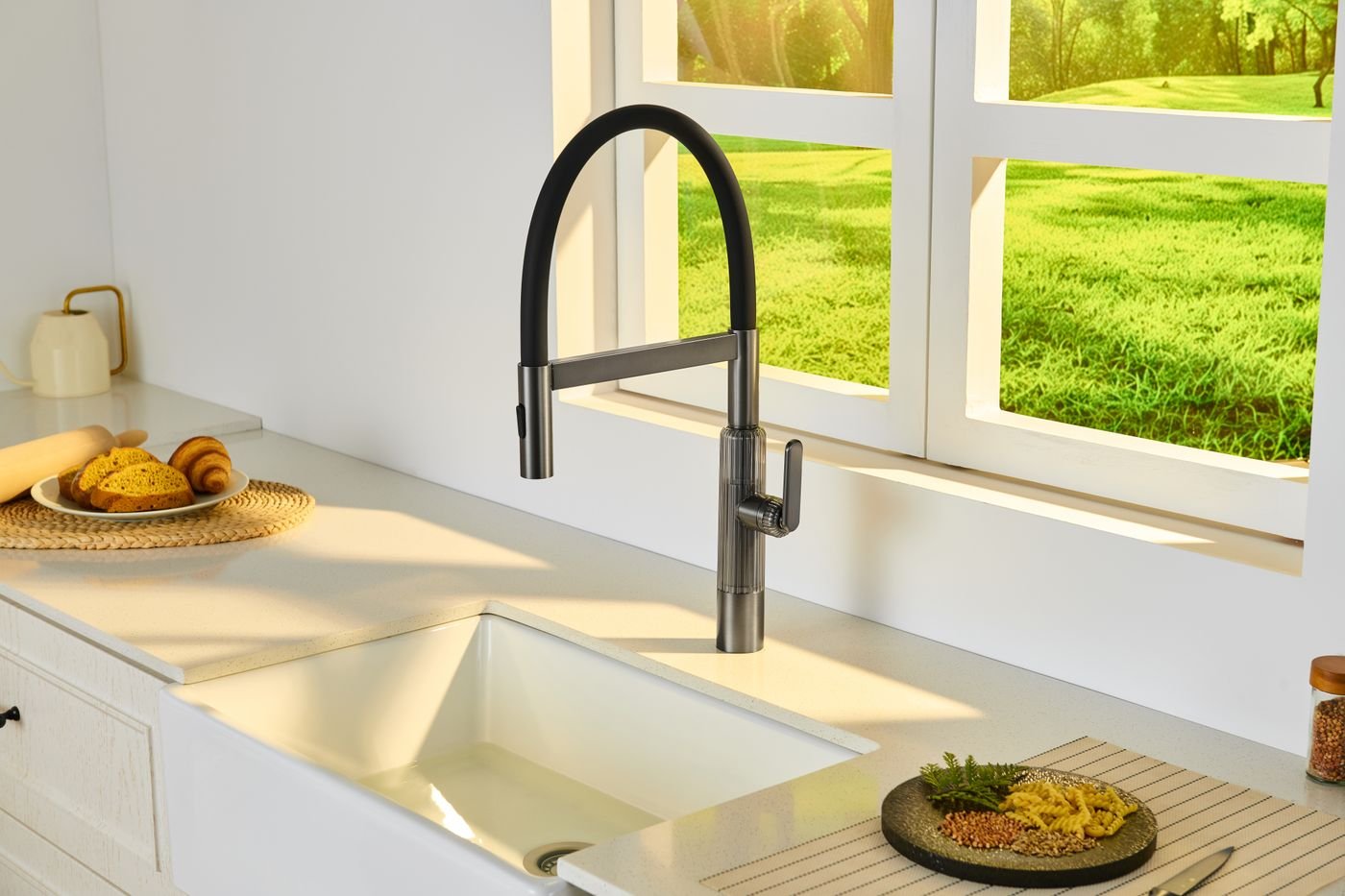
How we handle plumbing work
We want to be straightforward about this. Plumbing is a regulated trade in Ontario. Work that alters pipes, drains, vents, gas lines and certain other systems must be done by licensed plumbers, and often needs a permit and inspection. Our approach is:
- Fixture work we do ourselves. Replacing faucets, toilets, supply lines, shut-off valves and similar like-for-like items on existing connections.
- Licensed plumbing work we arrange. Where a job needs a licensed plumber, we tell you, explain what is involved and arrange or coordinate a qualified plumber, so that you have one clear point of contact and a coordinated schedule.
- Plumbing in renovations. We plan the layout, framing and finishes around the plumbing, and coordinate the rough-in and inspections with the plumbers so that walls are not closed before work is checked.
- Honest assessment. We explain what we see, what we think is happening and what the options are, in plain language.
Whoever does the work, you should know what is being done, why and what it involves.
How a home plumbing system works
A little knowledge of the system makes conversations about plumbing much clearer.
Water supply
Clean water enters the house from the municipal main through a service line, passes a main shut-off valve and a water meter and then branches into cold lines throughout the house. Part of the cold water goes to the water heater, which feeds the hot lines. Supply lines are under pressure, which is why a failure can cause a lot of water damage quickly.
Drain, waste and vent (DWV)
Used water and waste leave the house by gravity through a separate system of drain pipes. Each fixture has a trap, a curved section that holds water to block sewer gas from entering the room. The drain lines slope downward to the main drain, which leaves the house to the municipal sewer or a septic system. A vent system, with pipes that rise through the walls to the roof, lets air into the drains so that water flows freely and traps keep their seal. A blocked or poorly designed vent causes slow draining, gurgling and odours.
Fixtures and appliances
Sinks, toilets, tubs, showers, washing machines and dishwashers are connected to supply and drain lines. Each has shut-off valves, supply lines and a drain connection, and these are the most accessible parts of the system and the ones that fail most often.
Water heating
Most homes heat water with a tank-type heater powered by gas or electricity, or with a tankless unit. Some use boilers or combination systems that also provide space heating. Gas appliances and venting are regulated work.
Sump pumps and backwater protection
Many basements have a sump pit with a pump to remove groundwater and, in some homes, a backwater valve that prevents sewage from backing up into the house during heavy flooding or sewer surcharge. These devices protect the basement and need to be tested and maintained.
Common plumbing problems
Dripping and leaking fixtures
A dripping faucet is usually a worn cartridge, washer or seal. Leaks at the base of a toilet, under a sink or at supply connections come from worn gaskets, loose fittings or failed supply lines. Small leaks matter, because they waste water and damage cabinets and floors over time.
Running toilets
A flapper that does not seal, a misadjusted float or a worn fill valve lets water trickle into the bowl. These parts are inexpensive and simple to replace.
Slow drains and blockages
Hair, soap, grease, food and foreign objects build up in traps and pipes. A single slow drain is usually a local blockage. Several slow drains, gurgling in other fixtures or backups point to a main drain or vent problem, and need a licensed plumber.
Low water pressure
If one fixture is low, the aerator or cartridge may be clogged. If the whole house is low, look at the main valve, the pressure regulator or the supply line, and consider whether old galvanised pipes have narrowed from corrosion.
Noisy pipes
Banging (water hammer), whistling and rattling indicate high pressure, loose pipes or worn valves. Many noises are fixed by securing pipes or installing an arrestor, and by checking the pressure.
Frozen pipes
In cold weather, pipes in exterior walls, unheated spaces and crawl spaces can freeze and burst. Prevention includes insulating pipes, sealing drafts, keeping heat on and opening cabinet doors on exterior walls during extreme cold. If pipes freeze, shut off the water, open the tap and thaw carefully with gentle heat. Never use an open flame. If a pipe has burst, shut off the main water and call a plumber.
Water heater problems
No hot water, not enough hot water, strange noises, leaks at the tank and water that is too hot or too cold. Causes include failed elements or thermostats, sediment build-up, a failing tank and gas supply or venting issues. A leaking tank usually needs replacement, and gas appliance work must be done by licensed professionals.
Hidden leaks
Leaks inside walls, under floors and in slabs are hard to see. Clues include unexplained increases in water use, the sound of running water when everything is off, damp or stained surfaces, musty smells, warm spots on the floor and mould. A simple check is to read the water meter, turn off all water use and read it again after an hour. If the reading has changed, there is a leak somewhere.
Pipes: what is in your walls
The material of your pipes affects their lifespan and what to watch for. Houses of different ages use different materials.
- Copper. Common in homes from the mid-century onward. Durable, though it can develop pinhole leaks in some water conditions and corrosion at joints.
- PEX. A flexible plastic pipe used widely in newer homes and renovations. It resists freezing damage better than rigid pipe and is quick to install, and it must be protected from sunlight and installed according to the manufacturer’s instructions.
- CPVC and other plastics. Used for supply lines in some homes.
- Galvanised steel. Found in older houses. It corrodes inside over decades, reducing flow and pressure, and may eventually leak. Replacement is a significant job.
- Lead. Old water service lines and some old pipes and solder may contain lead. Lead in drinking water is a health concern, particularly for children and pregnant people. If your home is older, ask about the material of your service line and plumbing, and consider water testing. The municipality can provide information about its programs.
- Cast iron and ABS/PVC drains. Older drains are often cast iron, which can corrode and crack, while newer drains are plastic.
If your home has galvanised or lead piping, or has had repeated leaks, a plumber’s assessment is worth getting before a renovation.
Water heaters: choosing and maintaining
- Tank heaters. Store hot water in an insulated tank. Simple and common, and the tank wears out over time. Flushing the tank occasionally removes sediment, and checking the anode rod can extend life.
- Tankless heaters. Heat water on demand. They can supply continuous hot water and take less space, and they need proper sizing, venting and sometimes upgrades to gas or electrical supply. Hard water scale needs managing.
- Heat-pump and other high-efficiency units. Use less energy and have particular installation needs.
- Safety. Temperature settings, pressure-relief valves and venting are important for safety. Gas and venting work is regulated.
Water heater replacement is a licensed job, and we coordinate it where needed. Signs it is time to plan replacement include age, rusty water, leaks around the tank, repeated repairs and reduced capacity.
Drains, traps and venting
Good drainage depends on proper slope, adequate venting and clean pipes. When a drain is slow, check whether it is the fixture’s trap or the pipe beyond. Chemical drain cleaners are harsh on pipes and hazardous, and they are generally not recommended. Mechanical clearing with a plunger or a hand auger is safer for simple blockages. Repeated clogs, multiple fixtures affected or a gurgling toilet when another fixture drains, suggest a larger problem. Cameras and professional equipment can inspect drains. Tree roots invading older sewer lines are a common cause of recurring main drain blockages, and repairs can involve digging, which is a specialist job.
Sump pumps, backwater valves and basement protection
Basement flooding is one of the most damaging and stressful household events. Protection includes:
- Good grading and downspouts. Directing roof and surface water away from the foundation.
- A working sump pump. Tested regularly, with a sealed cover, a discharge line away from the house and, where suitable, a battery backup for power outages.
- A backwater valve. Helps stop sewage from flowing back into the house during sewer surcharge. Installation and maintenance are plumbing work, and some municipalities offer programs. Ask the City of London for current information.
- Floor drains kept clear. Traps need water in them, and drains should not be blocked.
- Storage off the floor. Raised shelving protects belongings.
See also basement renovation for how moisture and plumbing are planned before finishing.
Plumbing in renovations
In a renovation, plumbing decisions come early, because they shape the layout and need access to walls and floors. Typical situations include:
- Bathroom remodels. Moving a toilet, tub, shower or vanity means changing drains and vents. See bathroom remodeling.
- Kitchen remodels. Moving the sink, adding a dishwasher or a pot filler, or installing an island sink needs supply, drain and vent changes. See kitchen remodeling.
- Basement bathrooms and laundry. Drains below the sewer level may need a pump system, or the slab may need to be cut.
- Adding a fixture. New laundry, wet bars and utility sinks need new lines.
- Replacing old pipes. Galvanised or leaking pipes can be replaced when walls are open.
The sequence usually is: plan and obtain permits, demolition, framing changes, plumbing rough-in by licensed plumbers, inspection, insulation and drywall, finishes, fixture installation and final inspection. Walls must not be closed before the rough-in has been inspected.
Permits, codes and inspections
The Ontario Building Code and local rules govern plumbing, and the City of London administers permits. We do not give legal advice, and requirements change, so check with the building department. In general terms, adding or relocating fixtures, altering drain and vent systems and installing new systems need a permit and inspection. Replacing a faucet or toilet in the same location usually does not. Unpermitted plumbing can cause problems with insurance and selling the house, and may be unsafe. We help you work out what applies, and we plan the schedule around inspections.
Water quality and hardness
Many Ontario homes have moderately hard water, which leaves scale on fixtures and in appliances. Water softeners and filters are options, and they involve plumbing connections and drains. Taste and odour problems can come from the supply or from inside the house. If you are concerned about the quality of your drinking water, the municipality can provide information, and a certified laboratory can test a sample. Filters and treatment systems vary in what they remove, so check the claims against what you want to address.
Preventive maintenance: a plumbing checklist
- Main water shut-off located, labelled and tested twice a year.
- Fixture shut-offs turned occasionally so they do not seize.
- Visible pipes, connections and under-sink areas checked for drips and corrosion.
- Toilet tanks checked for leaks, for example with a few drops of food colouring.
- Aerators and shower heads cleaned of scale.
- Water heater flushed and inspected as the manufacturer recommends.
- Sump pump tested before spring and after heavy storms.
- Outdoor taps drained and hoses disconnected before freezing weather.
- Pipes in cold areas insulated.
- Water meter read from time to time to spot hidden leaks.
Safety and emergencies
- Know your main shut-off. It is usually near where the water line enters the house, often by the meter in the basement.
- Do not force stuck valves. They can break and cause a flood. Shut off the main and call for help.
- Keep electricity away from water. If water is near outlets, appliances or the panel, turn off the power at the breaker only if you can do so safely, and call a licensed electrician.
- Gas smells. If you smell gas, leave the building, do not use switches or phones inside and call the gas utility’s emergency line or emergency services from outside.
- Sewage backups. Sewage is a health hazard. Avoid contact and call a licensed plumber and your insurer.
- Do not use chemical drain cleaners with other chemicals, and never mix cleaning products.
What affects the time and cost of plumbing work
We do not publish prices, because plumbing varies widely. The main factors are:
- The type of work: fixture replacement, repair, rough-in or full system work.
- Access to pipes and fixtures, including walls, floors and ceilings that must be opened.
- The age and condition of the existing pipes and fittings.
- Permits, inspections and the need for licensed trades.
- Materials and fixtures chosen.
- Finishing after plumbing work, such as drywall repair, tile and paint.
- Emergency or after-hours needs.
- Hidden problems that appear when walls are opened.
Common plumbing mistakes
- Ignoring small leaks. They grow and cause rot and mould.
- Forcing old valves. A flood can result.
- Using harsh drain chemicals. They damage pipes and are hazardous.
- Over-tightening fittings. It cracks fixtures and strips threads.
- Cutting structure for pipes. Large holes and notches weaken joists and studs.
- Closing walls before inspection. Walls must be opened again.
- Skipping permits. It can cause insurance and resale problems.
- Poorly planned layouts. Moving fixtures without understanding the drains and vents.
- Not protecting pipes from freezing. Burst pipes are costly.

How to prepare for a plumbing visit
- Photos of the problem and the area, including shut-off valves.
- Notes on when the problem started, what you have heard or seen and what you have tried.
- Main water shut-off located and clear access to it.
- Clear access to fixtures, cabinets, the basement and the water heater.
- Model numbers of fixtures and appliances, if relevant.
- Information on the age of the house and any previous plumbing work.
- Building rules and working hours for condos and apartments.
- Pets and children kept away from the work area.
Frequently asked questions in more detail
Can you tell me if a job needs a licensed plumber?
Yes. Send photos and a description, and we will tell you which side of the line the job is on and what we recommend.
Do you work in condos and apartments?
Yes. Building rules about shut-offs, working hours and insurance apply, and shared stacks and risers belong to the building. We plan around them.
How long does a plumbing repair take?
Simple repairs take a short visit. Anything involving opening walls, permits or replacing pipes takes longer. We give an estimate and tell you what could change it.
Can you do the finishing after plumbing work?
Yes. Drywall, tile, painting and trim repairs after plumbing work are part of what we do. See drywall repair.
Do you work with insurance companies?
For water damage claims, document everything with photos, keep receipts and tell your insurer promptly. We can provide written descriptions and photos of the work for your records.
What about outdoor plumbing, like hose taps and sprinklers?
Outdoor taps should be drained or have frost-free fixtures before freezing weather. Repairs to outdoor connections can often be done at the tap, and changes to pipes in walls are plumbing work.
Is it worth replacing old pipes?
It depends on the material, the condition and your plans. Leaks, low pressure, discoloured water and an upcoming renovation are reasons to consider it. A licensed plumber can assess your system.
Can I install a water softener or filter?
They are available as point-of-use or whole-house systems and need connections and drains. Check what you want to remove and ask for independent information on performance. Installation can be coordinated with a licensed plumber.
Plumbing in older London homes
Older homes are full of character and full of plumbing history. Different decades used different materials, and many houses have a patchwork of pipes added or replaced over the years. Typical features of older systems include galvanised steel supply pipes that have narrowed inside, cast-iron drains that have corroded or cracked, old fixtures with obsolete parts, shut-off valves that have not moved in decades, hand-soldered joints and drains with sags or roots in the lines to the street.
Before a renovation, it is worth having the plumbing assessed, because opening the walls is the cheapest time to replace what is behind them. A licensed plumber can scope the drains with a camera, check pressure and flow and tell you what is original, what has been replaced and what is nearing the end of its life.
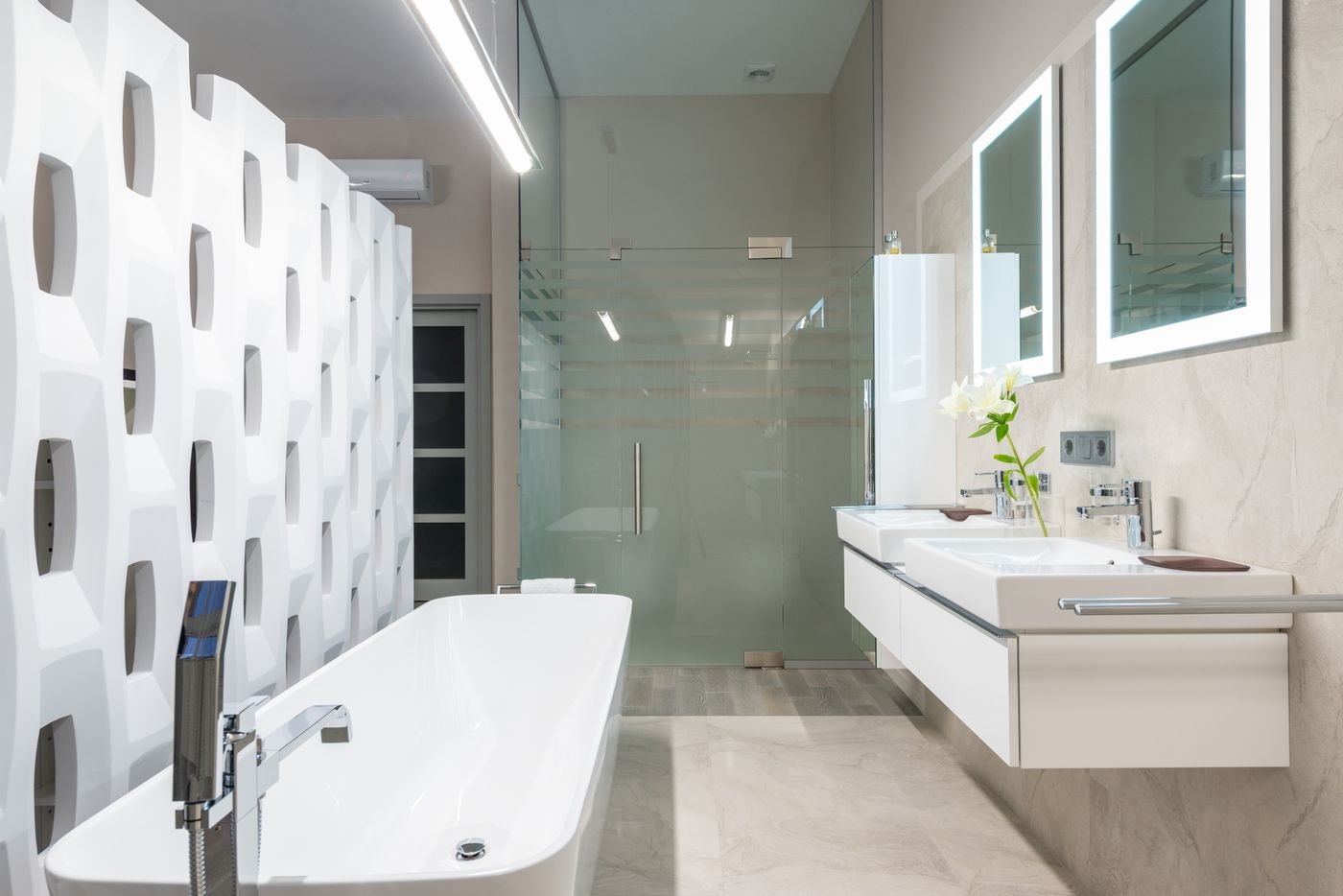
Bathroom and kitchen plumbing checks worth doing yearly
- Under the sinks. Look and feel for drips on supply lines, shut-off valves and drain connections. Check the cabinet floor for swelling or stains.
- Around the toilet. Rock the toilet gently to check for movement, look for water at the base and check the tank connections.
- Tub and shower. Check caulk and grout for gaps where water can enter walls, and that water drains promptly.
- Dishwasher and washing machine hoses. Look for bulges, cracks and drips. Hoses age, and failures can release a lot of water. Replace old rubber hoses with braided versions.
- Exhaust fans. Confirm they work and vent outdoors, since moisture left in the air damages finishes.
- Water heater area. Look for rust, drips and a clear space around the unit.
When to call, and what to tell the plumber
Call promptly for active leaks, sewage backups, no water, no hot water, burst or frozen pipes and gas smells. When you call, it helps to say where the problem is, when it started, what you have already done (for example, shutting off a valve), whether there is water damage and whether anyone has worked on the system recently. Photos of the area, the fixture labels and any visible pipes speed up the diagnosis. Keep receipts and notes, because they help with warranties and insurance claims.
Official guidance: For the rules that apply to this kind of work, see Ontario’s Building Code (O. Reg. 332/12).
Plumbing help in London, Ontario
Send us photos and a short description of the problem or the project. We will tell you what is involved, what we do ourselves, what a licensed plumber needs to do and give you a clear written estimate. You can call 519-494-3673, message us on WhatsApp or use the contact form for a free consultation. For related work, see electrical and HVAC.
Before we start
A little preparation makes plumbing go more smoothly. Photos, a short description of the problem or project and any plans, permits or previous reports you have.
Serving London, Ontario
We work with homeowners, landlords and businesses across London, Ontario and the surrounding area. Call 519-494-3673 or request a free consultation. You can also browse all of our services.
Frequently asked questions
How much does plumbing cost in London, Ontario?
Pricing depends on the scope and on whether a licensed trade is required. We tell you plainly which parts we do ourselves and which are handled by licensed professionals, and we quote them clearly. Call 519-494-3673 or send a message for an estimate for your address.
How long does plumbing take?
Timing depends on scope, permits where required and trade availability. We give you a realistic schedule after reviewing the job and keep you informed of changes.
What should I have ready before booking plumbing?
Photos, a short description of the problem or project and any plans, permits or previous reports you have.
What should I know about plumbing before we start?
Shut off the water supply at the fixture or main valve if a leak is active, then contact us.
Do you use licensed tradespeople when the work requires it?
Yes. Where a job calls for a licensed trade, such as plumbing, electrical or HVAC work, we say so plainly and bring in licensed professionals in line with Ontario requirements.
Do you do plumbing work that requires a licence?
Plumbing that changes pipes, drains, vents or gas, and other regulated work, must be carried out by licensed plumbers, and we say so plainly. We handle like-for-like fixture replacements ourselves, and for licensed work we arrange or coordinate qualified plumbers, so you have one point of contact.
What should I do if I find a leak?
Shut off the water at the fixture's shut-off valve if it works, or at the main shut-off if it does not. Turn off power to any wet electrical items only if it is safe to do so, move belongings out of the way and take photos for your records. Then tell us or call a licensed plumber promptly, since slow leaks and hidden leaks cause serious damage.
Why is the water pressure low?
Causes include a clogged aerator or shower head, a partly closed valve, a failing pressure regulator, mineral build-up in old pipes or a problem with the supply. A single fixture with low flow is usually a local issue. Low pressure throughout the house needs a plumber to investigate.
What causes slow drains and bad smells?
Partial blockages from hair, grease and debris, dry or damaged traps, venting problems and problems in the main drain are common causes. A single slow drain is usually local, while several slow drains or gurgling sounds can indicate a main drain or venting problem that needs a licensed plumber.
Do plumbing renovations need a permit?
In Ontario, many plumbing changes, such as adding or moving fixtures, altering drains and vents, and installing new systems, need a permit and inspection. Fixture replacement on existing connections usually does not. We help you understand what applies to your project and plan around inspections.
Related services
Construction
From small additions to structural repairs, our construction work is planned carefully, permitted where required and…
Learn more →Cabinetry
Well-built cabinets make a room functional and beautiful. We install, repair and refinish cabinetry for kitchens,…
Learn more →Repairing
If something in your home or business is broken, worn or not working properly, we will…
Learn more →Fence & Deck
A good fence and deck extend your living space outdoors. We handle fence installation and deck…
Learn more →Demolition
Every renovation starts with removal. We carry out careful interior demolition, protecting the parts of the…
Learn more →Electrical
Electrical work needs to be safe and to code. We help with lighting, fixtures and the…
Learn more →Last updated
Free consultation
Tell us what you need and get a clear, written estimate.
Ready to start your project?
Book a free consultation. Tell us what you need and we will get back to you with clear next steps.