
Commercial Painting in London, Ontario
- Free consultation
- Written estimates
- London, Ontario
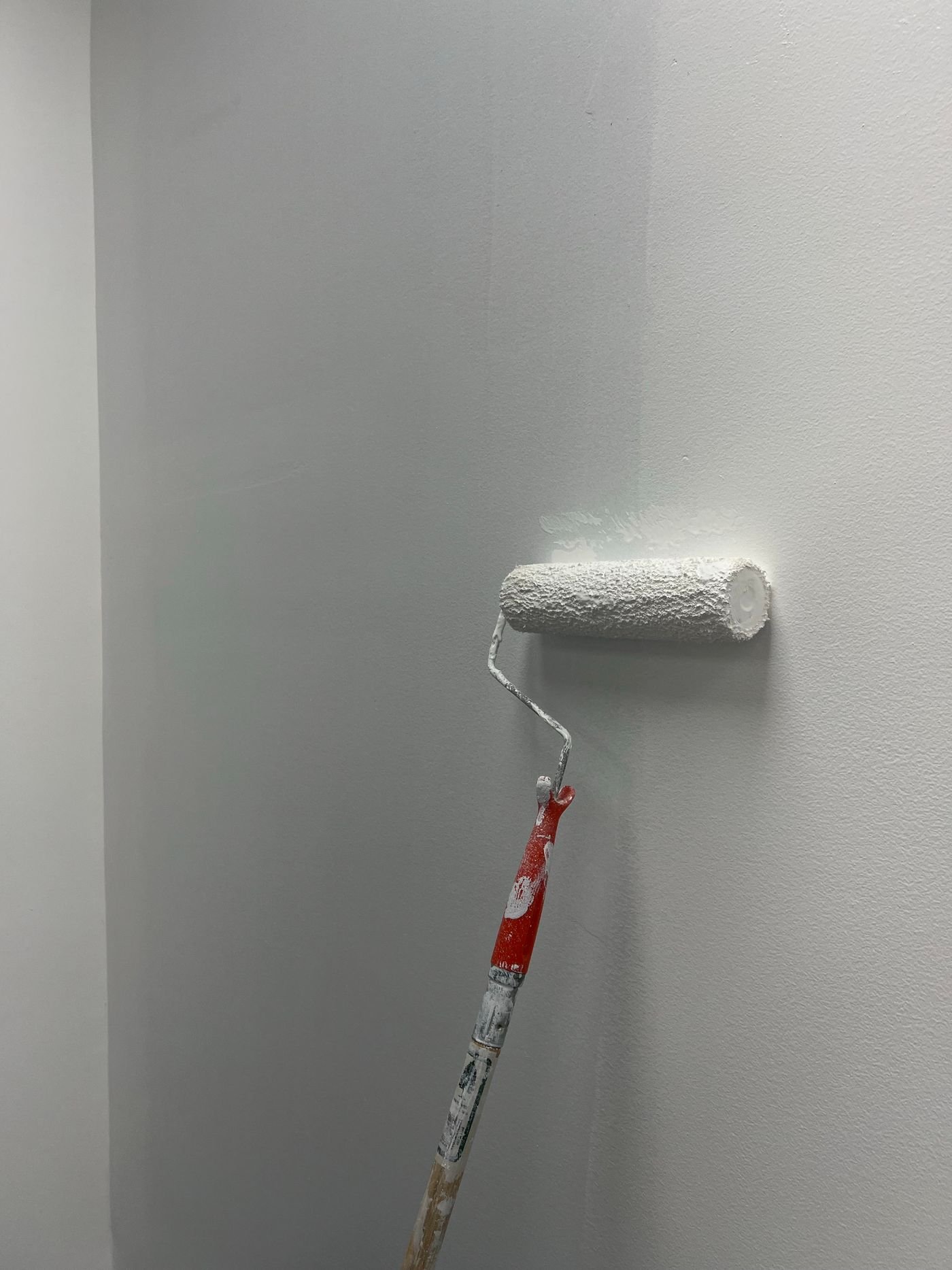
Offices, shops, restaurants and rental units need painting that minimises downtime. We plan commercial projects around your hours so you can keep operating.
What Commercial Painting includes
- Offices, retail and hospitality spaces
- After-hours and weekend scheduling
- Durable, easy-clean finishes
- Touch-ups and turnover painting for rentals
How we work
- Preparation. Tell us about the job. We review photos and details, ask the right questions and give you a clear estimate.
- Communication. We agree scope, materials and timing with you and keep you updated as work progresses.
- Execution. We do the work carefully, protect your space, clean up and walk you through the result.
Good to know: Tell us your opening hours and any deadline; we build the schedule around your business.
A commercial space is judged by its walls
A customer walking into a shop, a patient walking into a clinic office or a client arriving at a meeting forms an impression within seconds. Fresh, even, well-finished paint says that a business is cared for. Scuffed corners, patchy walls and peeling trim say the opposite. Painting is one of the most cost-effective ways to refresh a commercial space, but it has to be done in a way that suits how the business works: with minimal disruption, durable finishes and a schedule that respects opening hours, deliveries, staff and tenants.
This guide explains how commercial painting works in London, Ontario, from the first walk-through to the final inspection. It covers the types of spaces we paint, how we schedule around your operations, what products suit different areas, how we protect equipment and staff and what to plan for when you are a landlord, a property manager or a business owner. For homes, see our residential painting guide.
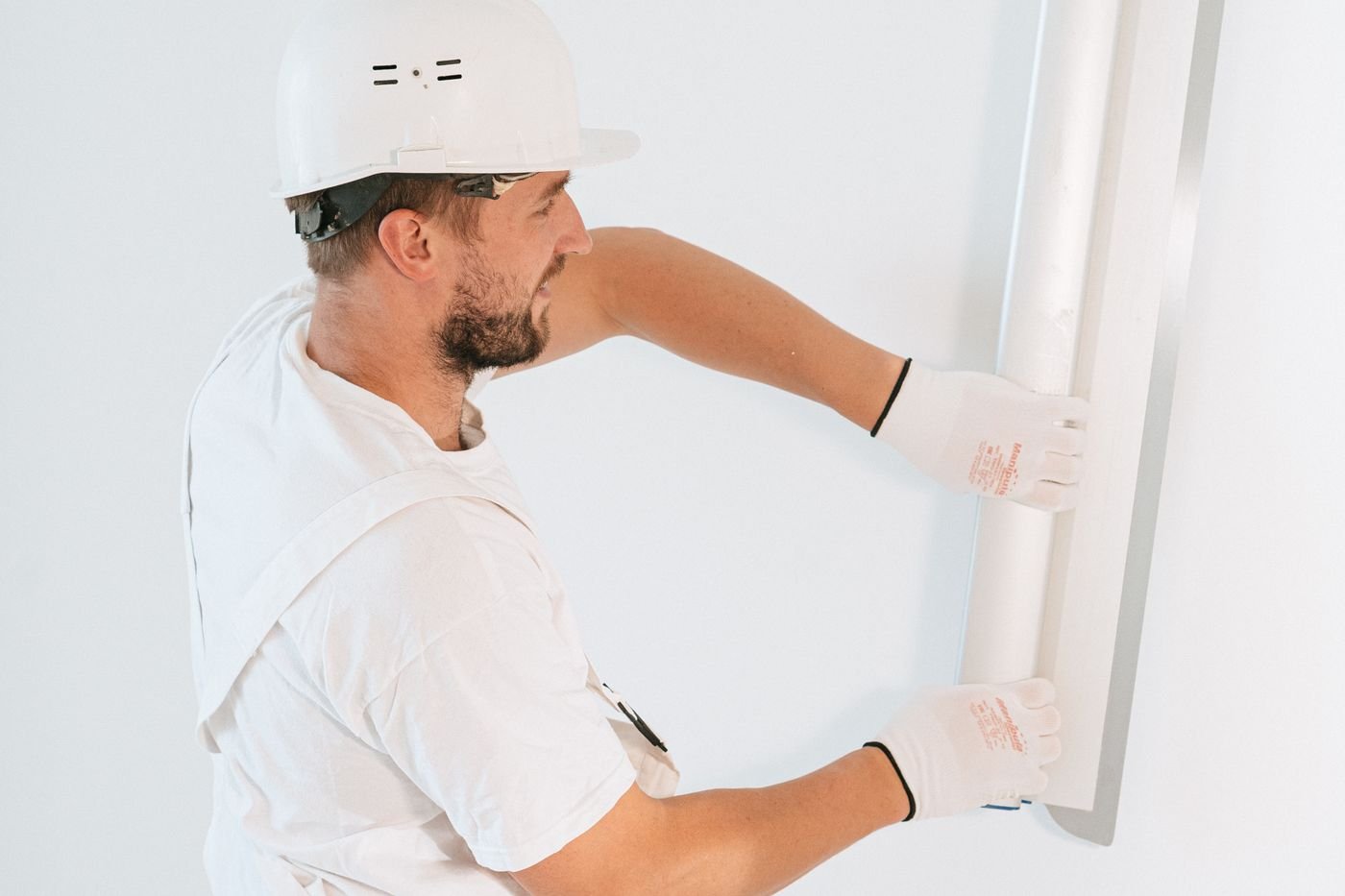
The spaces we paint
- Offices. Open-plan floors, private offices, meeting rooms, reception areas and corridors.
- Retail shops and showrooms. Sales floors, change rooms, back-of-house areas and feature walls that carry a brand.
- Restaurants, cafés and bars. Dining rooms, kitchens (where appropriate surfaces and products are chosen), washrooms and entry areas.
- Medical, dental and wellness offices. Reception, treatment rooms and waiting areas, with attention to cleanability and low odour. Where specialised infection-control requirements apply, we follow the specification you provide.
- Salons, studios and fitness spaces. Moisture, traffic and style all need consideration.
- Warehouses and light industrial units. Office areas, walls, ceilings and designated markings, where the scope suits painting.
- Multi-unit residential buildings. Corridors, stairwells, lobbies, common rooms and unit turnovers.
- Schools, childcare and community spaces. Durable, easy-clean, low-odour finishes and careful scheduling around occupants.
- Places of worship and event spaces. Tall ceilings, detailed trim and tight timelines before events.
How a commercial painting project runs
- Walk-through and discussion. We visit the space, look at the surfaces and the traffic, talk through your goals and constraints and take measurements.
- Scope and specification. We write down what will be painted, the products, the number of coats, the preparation and the exclusions, so that every bidder or approver is comparing the same thing.
- Schedule and logistics. We agree work hours, access, parking, storage, waste, elevator use and who needs to be informed.
- Protection and preparation. Furniture, equipment, flooring and fixtures are covered or moved. Surfaces are cleaned, repaired and primed.
- Painting. Ceilings, walls, trim and doors are painted in sequence, with attention to even coverage and clean edges.
- Inspection and touch-ups. We inspect in the light the space is normally used in, and correct anything that needs attention.
- Clean-up and handover. The space is cleaned and restored, signage and equipment are put back and we walk the job with you.
Scheduling around your business
The hardest part of commercial painting is usually not the painting but the timing. Closing a business for days costs money, and customers do not like disruption. A good plan reduces both.
- After-hours and overnight work. Common for retail and restaurants, with paint chosen to cure and air out so the space is ready for opening.
- Weekend work. A frequent solution for offices and clinics that are closed on weekends.
- Phased work. Painting one section at a time, so the rest of the business can keep operating. Good for large offices, schools and multi-tenant floors.
- Seasonal downtime. Some businesses have quiet periods that suit larger projects.
- Short windows before openings and events. We plan with extra care, since a delay has a visible cost.
- Coordination with other trades. Flooring, electrical, signage, millwork and furniture installers all need access, and painting must fit between them.
Tell us your hours, your busiest and quietest times, any fixed dates and any areas that must stay accessible. We will propose a schedule, and tell you honestly if a deadline is unrealistic.
Choosing the right coating
Commercial surfaces take more wear than residential ones, and the right coating depends on the area.
Walls in general areas
Washable, scuff-resistant finishes in eggshell, satin or similar sheens are common. They hide marks better than gloss and clean more easily than flat. Higher sheens show wall imperfections, so surface preparation matters.
Ceilings
Flat ceiling paint reduces glare and hides flaws. In kitchens and wet areas, a moisture-resistant, washable ceiling paint is more suitable. Exposed ceilings with ducts, pipes and wires are often sprayed in a dark or light colour, with careful masking.
Trim, doors and frames
Doors and frames take hits, so a hard, durable enamel in semi-gloss or satin holds up. Metal frames may need rust treatment and a metal primer.
Kitchens and food areas
Surfaces need to be smooth, cleanable and compatible with the way they are washed. Health and food safety rules may specify finishes in food preparation areas. Check requirements with your local public health unit, and tell us what applies.
Washrooms and damp areas
Moisture-resistant products and good ventilation matter. Mould-resistant formulations help in humid spaces, though they do not replace ventilation and cleaning.
High-traffic corridors and stairwells
Tough, scrubbable coatings, sometimes with a protective dado or kick-plate to reduce damage at hand and cart height.
Feature walls and brand colours
Brand colours need accurate matching and good coverage. Strong colours, particularly reds and yellows, may need tinted primer and extra coats. We test samples on site, in the lighting the business uses.
Special coatings
Some projects call for epoxy, anti-graffiti, fire-retardant or other specialised coatings. These have specific requirements for surface preparation, application and ventilation, and are sometimes done by specialised applicators. We tell you whether a coating is within our scope, and if not, we help you find the right applicator.
Low odour, ventilation and indoor air
In an occupied commercial space, odour and fumes matter. Low-odour and low-emission paints, good ventilation and sensible scheduling keep air quality acceptable. We discuss which products are suitable, particularly in spaces with sensitive occupants such as clinics, childcare centres, schools and care homes. Ventilation systems, smoke detectors and sprinkler heads need attention: detectors may need to be covered during certain work, and then uncovered and checked afterwards, which requires coordination with the building’s responsible person. Never leave a detector covered once the work is done.
Protecting your equipment, stock and furnishings
A commercial space is full of things that must not be damaged: computers, point-of-sale systems, stock, display fixtures, medical equipment, kitchen appliances and furniture. Our approach includes:
- Agreeing what moves and what stays. Staff typically clear desks and small items, and we cover or shift larger items.
- Covering and sealing. Equipment and furniture are covered with plastic or drop cloths, and flooring is protected with suitable coverings.
- Dust control. Sanding and preparation are done with care, and in sensitive areas, with dust-controlling methods.
- Masking. Fixtures, signage, hardware, windows and edges are masked or removed as needed.
- Secure storage. Paint and materials are stored safely, away from public areas.
- Daily tidy-up. Work areas are left safe and clean at the end of each session.
Surface preparation in commercial buildings
Commercial walls have often been painted many times, patched by various trades and marked by years of use. Preparation decides the quality of the finish.
- Cleaning. Grease, dust, nicotine and grime are removed so paint will stick.
- Patching and repair. Holes from signs, shelving and old equipment are filled and sanded. See drywall repair.
- Caulking. Joints at trim, frames and fixtures are sealed for clean lines.
- Sanding and de-glossing. Glossy surfaces are scuffed so new coatings bond.
- Priming. Bare areas, stains, repairs and colour changes are primed.
- Rust and metal treatment. Metal doors, frames and rails are cleaned, treated and primed.
- Old finishes. Peeling or failing layers are scraped back to a sound edge.
- Existing wallpapers and coverings. Removed, or covered where suitable. See wall covering.
Older commercial buildings: hazards to be aware of
Buildings constructed before the 1980s can contain hazardous materials, including lead in old paint and asbestos in some ceiling textures, plaster, flooring and insulation. Disturbing these materials without precautions can put workers and occupants at risk, and regulations apply to work that affects them. If you own or manage an older building, you may have a designated substances survey or similar document. Tell us about any known materials, and we will not disturb suspect materials without proper testing and procedures. We stop and discuss if we find something unexpected.
Safety on commercial jobs
- Working at height. Ladders, platforms and lifts are used with care, and areas below are cordoned off where needed.
- Product information. Safety data sheets for products are available on request, and workplace information requirements are respected.
- Housekeeping. Cords, tools and materials are managed to avoid trip hazards.
- Fire safety. Rags soaked with certain finishes can heat up and ignite, and are disposed of safely. Exits and extinguishers remain accessible.
- Public and staff safety. Wet-paint signs, barriers and clear routes keep people from contact with fresh work.
- Building rules. We follow access, sign-in, parking and working-hour requirements set by property managers.
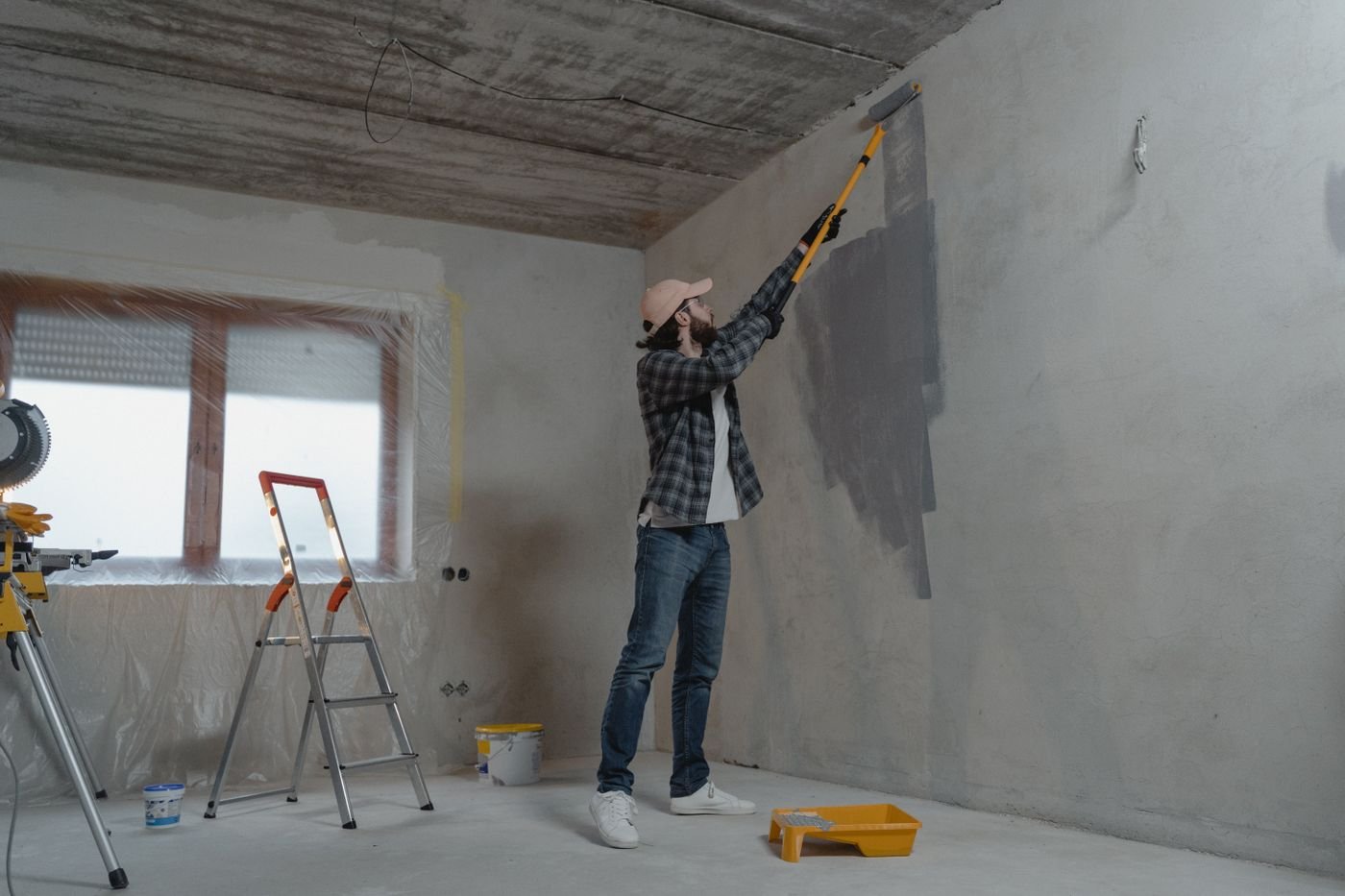
Working with property managers and landlords
Property managers need predictable, well-documented work. We aim to make this easy.
- Clear scopes and written estimates that can be approved and compared.
- Standard specifications for colours, sheens and products, so every unit and corridor matches.
- Tenant communication. Notices, schedules and contact details can be provided for distribution.
- Batch scheduling. Several units or floors done in sequence, minimising downtime between tenants.
- Documentation. Before-and-after photos, colour records and a summary of work completed.
- Quick-response touch-ups. Small jobs between larger projects.
Unit turnover and rental repainting
Between tenants, speed matters. A typical turnover includes patching holes and damage, cleaning, priming stained or marked areas, painting walls, ceilings and trim and touching up doors and frames. Using one neutral colour and finish across units makes touch-ups simple, reduces paint stock and speeds the work. For other repairs in the unit, see general handyman repairs and door installation and repair.
Restaurants, cafés and hospitality
Hospitality spaces combine heat, steam, grease and constant cleaning. Kitchen walls and ceilings need washable, grease-resistant finishes, and the surfaces behind equipment must be prepared carefully. Dining rooms need a palette that suits the brand and the lighting, which is often dim and warm. Washrooms need moisture-resistant paints. Timing is critical, because every closed day costs revenue, so many restaurants schedule painting overnight or during seasonal breaks. Fire-code rules for exits, signage and sprinklers must be respected throughout.
Offices and professional spaces
Offices rely on comfort and a professional look. Colour affects mood and focus, and consistent paint across floors helps a company’s image. Painting is often combined with other updates: carpet or vinyl, new lighting, new furniture or a move-in. We coordinate with other trades so that painting happens at the right time, and we protect new floors and furniture. Meeting rooms and executive offices often get accent walls or feature colours.
Retail and showrooms
Retail painting supports the display. Walls are a backdrop for products, and a clean, even finish makes goods stand out. Strong brand colours, gloss accents and shelving lines need precision. Changes between seasons or brands can be frequent, so we plan for quick repainting with minimal downtime. Back-of-house areas get tougher, more utilitarian finishes.
Schools, childcare and community buildings
These spaces see heavy wear and sensitive occupants. Durable, washable finishes in low-odour formulations, scheduling during breaks and careful attention to safety are priorities. Doors, corridors and washrooms take the most abuse, and bright but calm colours support learning and activity. Work areas must be fully secured from children.
What affects the time and cost of a commercial job
We do not publish prices, because commercial projects vary widely. The factors that shape an estimate include:
- The area to be painted, and the number and size of rooms.
- Ceiling heights, access equipment and exposed structures.
- The condition of the surfaces and the amount of preparation.
- The coatings specified and the number of coats.
- Working hours, such as nights and weekends, and the number of mobilisations.
- Moving, covering and protecting furniture, equipment and stock.
- Number of doors, frames, trim and special features.
- Building requirements for access, insurance and parking.
- Coordination with other trades and deadlines.
A written specification lets you compare quotes on the same basis. Lower prices that leave out preparation, coats or protection are not really lower.
Common commercial painting mistakes
- Not planning around operations. The job is disruptive and slow.
- Using residential products in high-traffic areas. The finish scuffs and fails early.
- Skipping preparation. Paint fails over grease, dust and old coatings.
- Ignoring ventilation and odour. Staff and customers complain.
- Unclear scope. Disagreements over what was included.
- Not testing colours in place. Lighting changes how a colour looks.
- Forgetting detectors, sprinklers and signage. Safety systems and branding need care.
- No touch-up plan. Paint codes and leftover cans are not recorded.

How to prepare for a commercial painting project
- Goals, colours and any brand guidelines gathered.
- Areas to be painted marked on a plan or described room by room.
- Operating hours, fixed dates and areas that must stay open noted.
- Building rules, access, insurance and parking requirements confirmed.
- Known hazards or building surveys shared.
- Equipment, stock and furniture that must move identified, with who will move them.
- Contact people named for access, approvals and emergencies.
- Other trades and deliveries scheduled around painting.
- A plan for communicating with tenants, staff or customers.
After the project: keeping it looking good
- Record the paint. Keep the brand, colour name, code and sheen for each area, and a sealed can of each for touch-ups.
- Clean gently. Use mild cleaners suited to the finish, and avoid abrasive pads.
- Protect high-impact areas. Corner guards, kick plates and bumpers reduce damage at corners and doors.
- Fix problems early. Leaks and moisture cause peeling and stains. Address the cause before touching up.
- Plan the refresh cycle. High-traffic areas may need attention more often than quiet ones.
Frequently asked questions in more detail
How long will the space be unusable?
It depends on the size, the phasing and the products. With after-hours and phased work, many businesses stay open. We explain the plan in advance.
Can you work around deliveries and customers?
Yes. We agree on routes and times so that deliveries and customers are not blocked, and we keep work areas safe and signed.
Can you match our existing brand colour?
Usually, yes. A paint chip, a colour code or a sample helps. Old walls may have faded, so we test in place and agree the result.
Do you provide the paint?
We can supply it, or work with products you specify. We explain the pros and cons of each choice.
Can you paint exteriors and storefronts?
Tell us what you have in mind. Exterior work depends on weather, surfaces and access, and we say whether it is something we can offer for your property.
What about floors, signage and graphics?
Some floor coatings, line marking and signage need specialist applicators. We tell you if they fall outside our scope and, where possible, coordinate with the right provider.
How do you handle changes during the project?
Changes are put in writing, with their effect on cost and schedule, before the work goes ahead.
Do you help with repairs before painting?
Yes. Patching, carpentry repairs and minor fixes are part of preparation. For larger drywall or construction work, see drywall services and construction.
A sample schedule for a phased office or retail project
To make the planning concrete, here is an illustration of how a phased project might be organised. It is an example of the approach, not a record of a particular job, and every project’s real schedule is agreed in writing.
- Week before. Final walk-through, colour confirmation, sample patches on site, written schedule, notices to staff or tenants and a plan for which furniture and equipment will be moved and by whom.
- Evening one. Protect floors and furniture in the first zone, patch and sand, and apply primer where needed.
- Evening two. First coat on ceilings and walls in the first zone, and masking of trim.
- Evening three. Second coat, trim and doors, then clean-up and removal of protection so the zone is ready for the morning.
- Following evenings. The same sequence repeated in each further zone, with the equipment and furniture moved back and forth as agreed.
- Final evening. Touch-ups across all zones, a joint inspection with your contact person and removal of all materials.
Phasing keeps the business running, spreads the odour and disruption and gives you a chance to see the finished result in the first zone before work continues in the next.
Communication during the project
Commercial projects involve many people: owners, managers, staff, tenants, security and other contractors. Clear communication prevents most problems. We agree on a single point of contact on your side and ours, share the schedule and any changes in writing and confirm access arrangements in advance, including keys, alarm codes and security sign-in. If something unexpected comes up, such as hidden damage, a moisture issue or a change in deadline, we tell you promptly and explain the options. At the end of each session, we leave the space safe, clean and clearly signed, so that staff and customers know what is fresh.
Warranties, touch-ups and follow-up
Paint manufacturers publish their own product information and warranties, and conditions apply, such as surface preparation and proper application. We explain what applies to the products we use and put the terms of our own work in your written estimate. After a project, it is normal for small touch-ups to be needed as the space comes back into use, for example where furniture was moved back or where a door was left to dry. Tell us promptly, and we arrange a visit. Keeping a labelled can of each colour on site makes small repairs easy for your own maintenance staff.
Questions to ask any commercial painting contractor
- What exactly is included: preparation, primer, number of coats, trim, doors and ceilings?
- Which products will be used, and are they suited to the traffic and cleaning in each area?
- How will the work be scheduled around our hours, and what happens if we need to change a date?
- How will furniture, equipment, stock and floors be protected?
- What are the arrangements for odour, ventilation, detectors and sprinklers?
- Who will be on site, and who is our contact if something comes up?
- How are changes, hidden damage and touch-ups handled, and how is the final inspection done?
Good answers are specific and written down. We are glad to answer each of these before you decide.
Official guidance: For independent consumer information in Ontario, see Consumer Protection Ontario.
Commercial painting in London, Ontario
Tell us about your space, your hours and your deadline. We will visit, walk the areas with you and give you a clear written estimate with a proposed schedule. You can call 519-494-3673, message us on WhatsApp or use the contact form for a free consultation. If you are planning a larger refit, see renovation and remodeling.
Before we start
A little preparation makes commercial painting go more smoothly. Colour choices or references, a list of rooms or surfaces, and anything that must stay protected or be moved before we start.
Serving London, Ontario
We work with homeowners, landlords and businesses across London, Ontario and the surrounding area. Call 519-494-3673 or request a free consultation. You can also browse all of our services or see more painting work.
Frequently asked questions
How much does commercial painting cost in London, Ontario?
Painting is quoted from the area, the number of coats, the condition of the surfaces and how much preparation is needed. Preparation is where most of the time goes, so it is itemised in the estimate. Call 519-494-3673 or send a message for an estimate for your address.
How long does commercial painting take?
A typical room can be prepared and painted in a few days, allowing for drying time between coats. We confirm the schedule once we have seen the surfaces.
What should I have ready before booking commercial painting?
Colour choices or references, a list of rooms or surfaces, and anything that must stay protected or be moved before we start.
What should I know about commercial painting before we start?
Tell us your opening hours and any deadline; we build the schedule around your business.
Can you paint after hours or on weekends so we can keep operating?
Yes. Scheduling around your hours is a core part of commercial work. We plan evenings, nights and weekends, or phase the job area by area, so your staff and customers can keep using the space. Tell us your opening hours and any deadlines, and we build the schedule around them.
What kind of paint do you use in commercial spaces?
Commercial spaces generally need durable, washable finishes that stand up to traffic, cleaning and scuffs, with low odour so the space can reopen quickly. The right product depends on the surface, the traffic and any industry requirements. We recommend options for each area and explain the trade-offs.
Do you paint occupied buildings and multi-tenant properties?
Yes. We coordinate with property managers and tenants, protect furnishings and equipment, limit odour and dust, and communicate the schedule clearly so each area is ready on time.
Can you handle high ceilings and exposed structures?
We can plan access equipment and work methods for high walls, tall ceilings and exposed structures, with attention to safety, protection of equipment and the sequence of work. Tell us about the heights and the ceiling type, and we will advise on the approach.
Do you do touch-ups and turnover painting for rental units?
Yes. Between-tenant painting and touch-ups are a regular part of our work. A consistent colour and finish across units makes future touch-ups quick, and we can work to a standard specification for a whole building.
Related services
Residential Painting
A fresh coat of paint is the fastest way to change how a home feels. We…
Learn more →Drywall Services
From hanging new boards to a smooth finish ready for paint, drywall quality determines how good…
Learn more →Wall Covering
Wallpaper and wall panels add texture and character that paint alone cannot. We install and remove…
Learn more →Last updated
Free consultation
Tell us what you need and get a clear, written estimate.
Ready to start your project?
Book a free consultation. Tell us what you need and we will get back to you with clear next steps.