
Wall Covering in London, Ontario
- Free consultation
- Written estimates
- London, Ontario
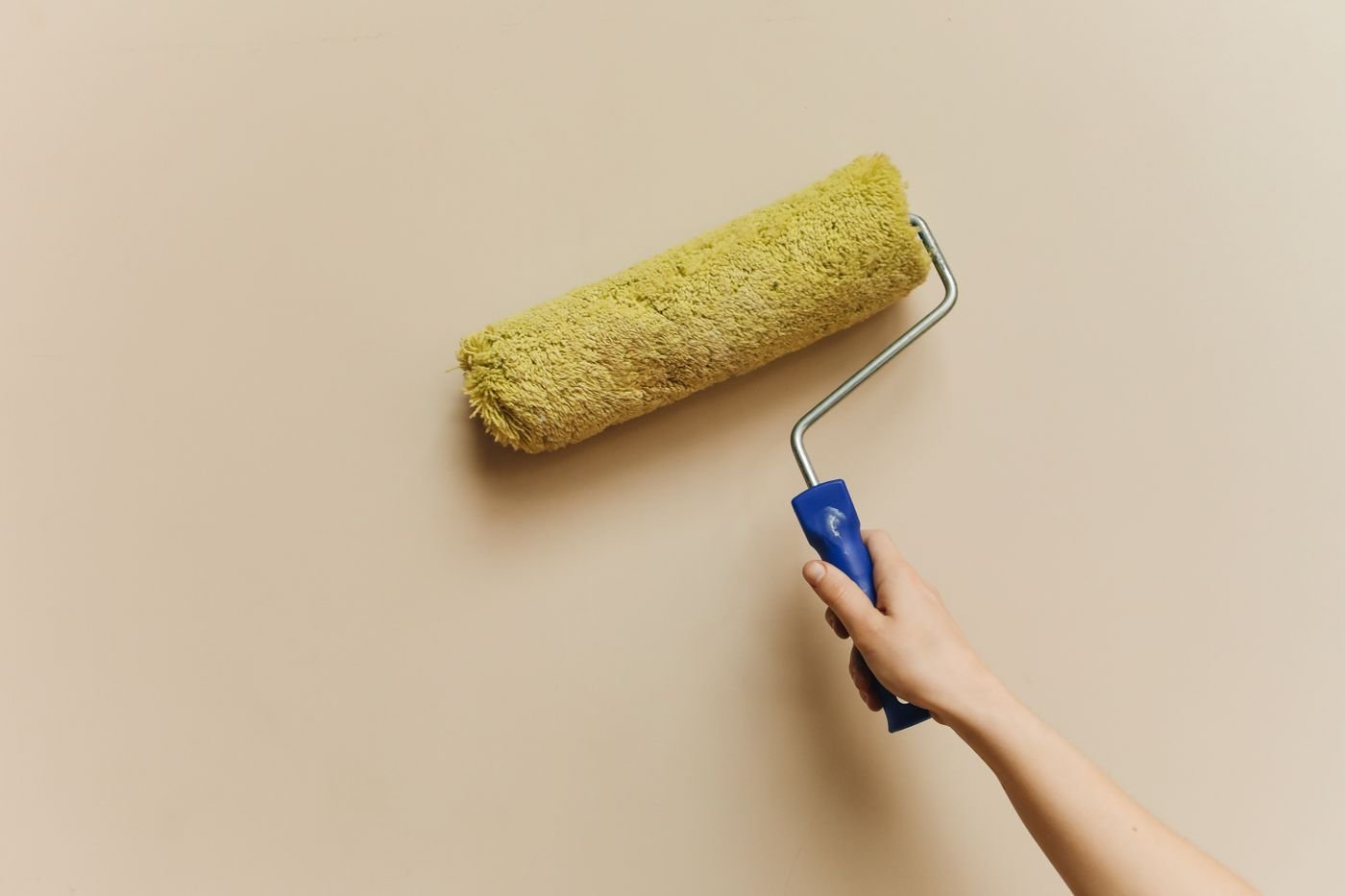
Wallpaper and wall panels add texture and character that paint alone cannot. We install and remove wall coverings cleanly.
What Wall Covering includes
- Wallpaper installation and removal
- Feature walls and accent panels
- Wall preparation and priming
- Pattern alignment and clean seams
How we work
- Preparation. Tell us about the job. We review photos and details, ask the right questions and give you a clear estimate.
- Communication. We agree scope, materials and timing with you and keep you updated as work progresses.
- Execution. We do the work carefully, protect your space, clean up and walk you through the result.
Good to know: Smooth, primed walls make removal easier in the future; we prepare them with that in mind.
Wall coverings add what paint cannot
Paint is wonderful for colour, but it is flat in more ways than one. A wall covering brings pattern, texture, depth and craftsmanship to a room: a botanical print behind a bed, a woven grasscloth in a dining room, a bold geometric in a powder room, a mural on a child’s wall, a slatted wood panel behind a television. Done well, a wall covering becomes the thing people remember about a room. Done badly, it shows its seams, bubbles and misaligned patterns every time the light changes.
This guide explains how wall covering works in London, Ontario homes and businesses: the types of covering available, how to choose between them, what preparation each needs, how installation and removal are done properly and how to care for the result. For the paint and plaster work that often goes with it, see residential painting and drywall services.
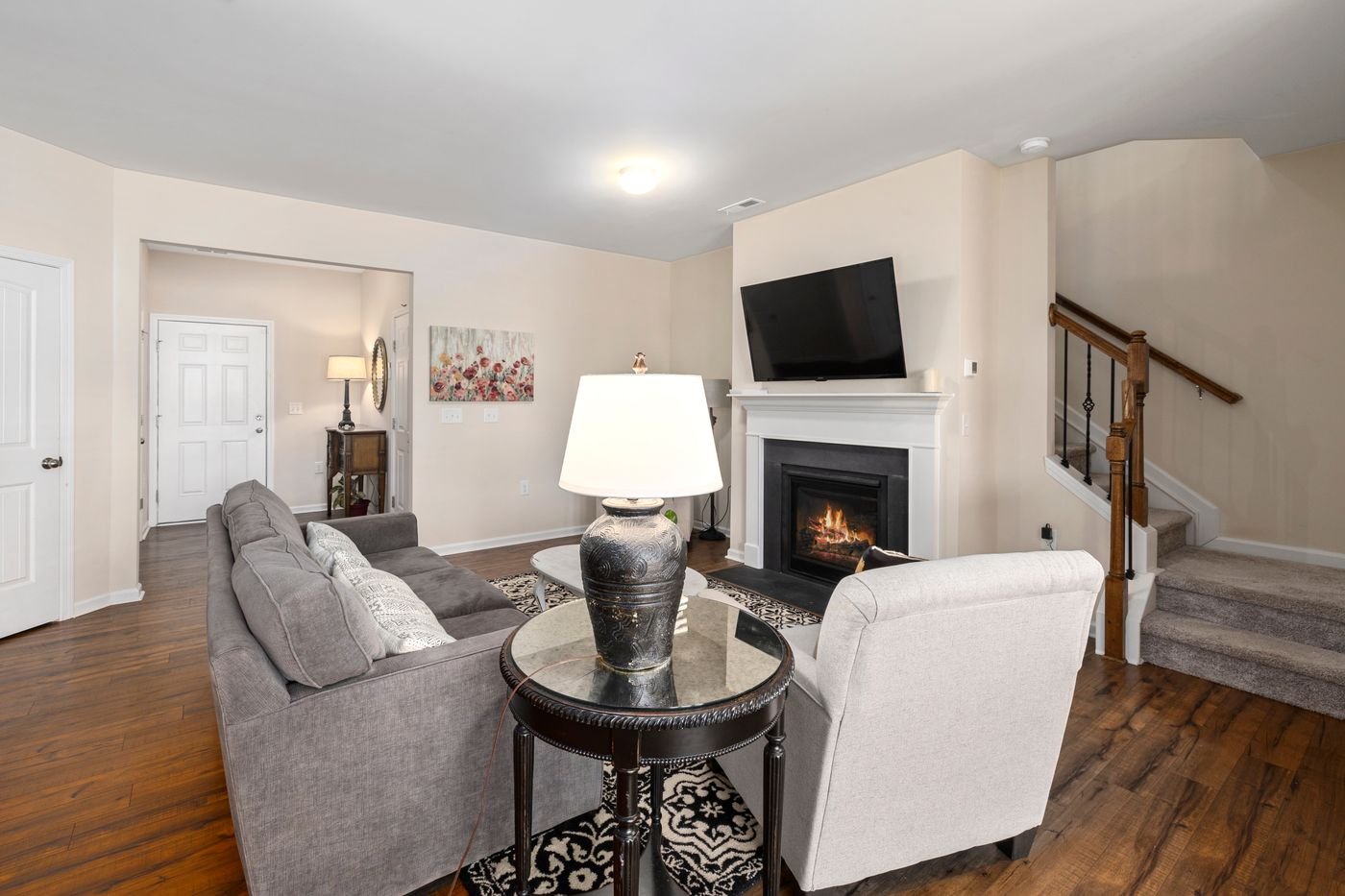
What our wall covering service includes
- Wallpaper installation. Traditional paper, vinyl, non-woven, grasscloth, peel-and-stick and specialty papers, on walls and, where suitable, ceilings.
- Murals and large-format panels. Printed murals and multi-panel designs, matched carefully across panels.
- Feature walls and accent panels. Wood, slat, moulded and decorative panels used as focal points.
- Wallpaper removal. Safe removal of old paper and adhesive, with the wall left clean and sound.
- Wall preparation. Repairs, smoothing, sealing and priming so that the covering adheres and, in future, can be removed.
- Commercial wall coverings. Durable vinyl and fabric-backed coverings for offices, hospitality and corridors.
- Repairs and touch-ups. Fixing lifted seams, tears and damaged areas.
- Planning help. Pattern scale, placement, quantities and compatibility with your lighting and furniture.
Types of wallpaper and wall covering
Traditional paper
Printed paper has a classic, matte look and a wide range of designs. It is comparatively delicate, can stain and is not suited to humid rooms. Some traditional papers are unpasted and need to be hung with paste, and others are pre-pasted. Some are hand-printed, and these often have slight variations in colour that are part of their charm, though they need careful handling and sometimes a specialist technique.
Vinyl and vinyl-coated paper
A paper base with a vinyl surface, or solid vinyl, designed to be wiped and scrubbed. Commonly used in kitchens, bathrooms, corridors and commercial settings. It is durable, but can be less breathable than paper, so the wall’s moisture condition matters. Some heavy-duty commercial vinyls are installed with specific adhesives.
Non-woven (paste-the-wall) papers
A blend of fibres and polymers that is dimensionally stable, which means it does not expand when wet. Adhesive is applied to the wall instead of the paper, making installation cleaner and faster, and many non-woven papers can be peeled off dry in one piece when it is time for a change. They are popular for residential use and are a good choice for homeowners who plan to redecorate.
Natural materials: grasscloth, sisal, cork and silk
Woven and natural coverings have a rich, organic texture. They show natural variations in colour and in the weave, and seams are often visible by design. They can be sensitive to moisture, stains and handling, and need specific adhesives and techniques. They are beautiful in dining rooms, studies and bedrooms, and less suited to kitchens and bathrooms.
Textured and paintable coverings
Embossed and heavy-textured papers can hide wall imperfections and be painted. They add depth without pattern, and are a classic solution for walls that are not perfectly flat. Removal can be harder than for other papers, because the material is thick and well bonded.
Murals and large-format designs
Murals are printed in panels designed to be assembled into a single image. Accurate alignment, careful measuring and a flat wall are essential. They are often used in children’s rooms, feature walls and commercial spaces.
Peel-and-stick (self-adhesive) coverings
Papers with an adhesive back that is exposed by peeling off a liner. They are convenient for renters, for small areas and for people who like to change their decor often. Results depend on the wall surface: they stick well to smooth, clean, sealed paint and poorly to dusty, textured or low-quality surfaces. Large areas are harder to hang without bubbles, and removal can take paint with it from poorly bonded walls.
Fabric wall coverings
Fabric can be applied directly with adhesive or stretched on a frame. It gives warmth and acoustic benefits, and it is often seen in hospitality and theatre spaces. It requires careful handling and is not very forgiving of mistakes.
Wall panels and 3D coverings
Panels in wood, MDF, plastic, composite or plaster-like materials can be fixed to walls, creating strong visual and tactile effects. Types include slat panels, moulded 3D panels, acoustic panels, tile-effect panels and decorative mouldings. They are installed with adhesive, screws or clips depending on the product and wall, and they need planning for edges, corners and outlets. See also TV and fireplace wall designs.
Metallic, flocked and specialty finishes
Foil, flocked, beaded and other specialty papers give striking effects, and they are delicate. They are installed with care, and often by experienced installers, because marks and seams are very visible.
Choosing the right covering for the room
- Living rooms and dining rooms. Most coverings work. Grasscloth, textured papers and statement patterns suit these rooms.
- Bedrooms. Calm patterns and soft textures create a restful space. Behind a headboard is a natural focal point.
- Hallways and entries. High traffic and scuffs call for durable, wipeable coverings.
- Kitchens. Washable vinyl or non-woven papers made for the room, installed away from direct splashes and steam.
- Bathrooms and powder rooms. Powder rooms (without showers) are a popular place for bold wallpaper. Full bathrooms with showers need moisture-suitable products and good ventilation.
- Children’s rooms. Washable, durable coverings and murals that can be changed as children grow.
- Home offices. Textured or subtle patterns that support focus and look good on video calls.
- Basements. Moisture is the main concern. Wall coverings need dry, well-sealed walls, and are not appropriate over damp concrete.
- Commercial spaces. Durable, cleanable vinyl, often with fire-rating or other specifications.
Pattern, scale and placement
The choice of pattern matters as much as the type of covering. A few principles:
- Scale. Large patterns suit large rooms and high walls, and make small rooms feel bold and dramatic. Small patterns suit small spaces and read from a distance as texture.
- Repeat and match. Patterns repeat vertically at a set distance. A straight match lines up across the seam at the same height. A drop (offset) match lines up at a different height, requiring more paper. A random match needs no alignment.
- Direction. Vertical stripes add height, horizontal stripes add width, and diagonal patterns add movement.
- Colour. Test the paper against your paint colours, flooring and furniture, in the light of the room at different times of day.
- Focal points. A single feature wall is easier to match and less overwhelming than papering a whole room, though full-room papering can be dramatic and enveloping.
- Interruptions. Windows, doors, vents and fixtures interrupt the pattern. Planning where the seams and pattern centre fall makes the result look intentional.
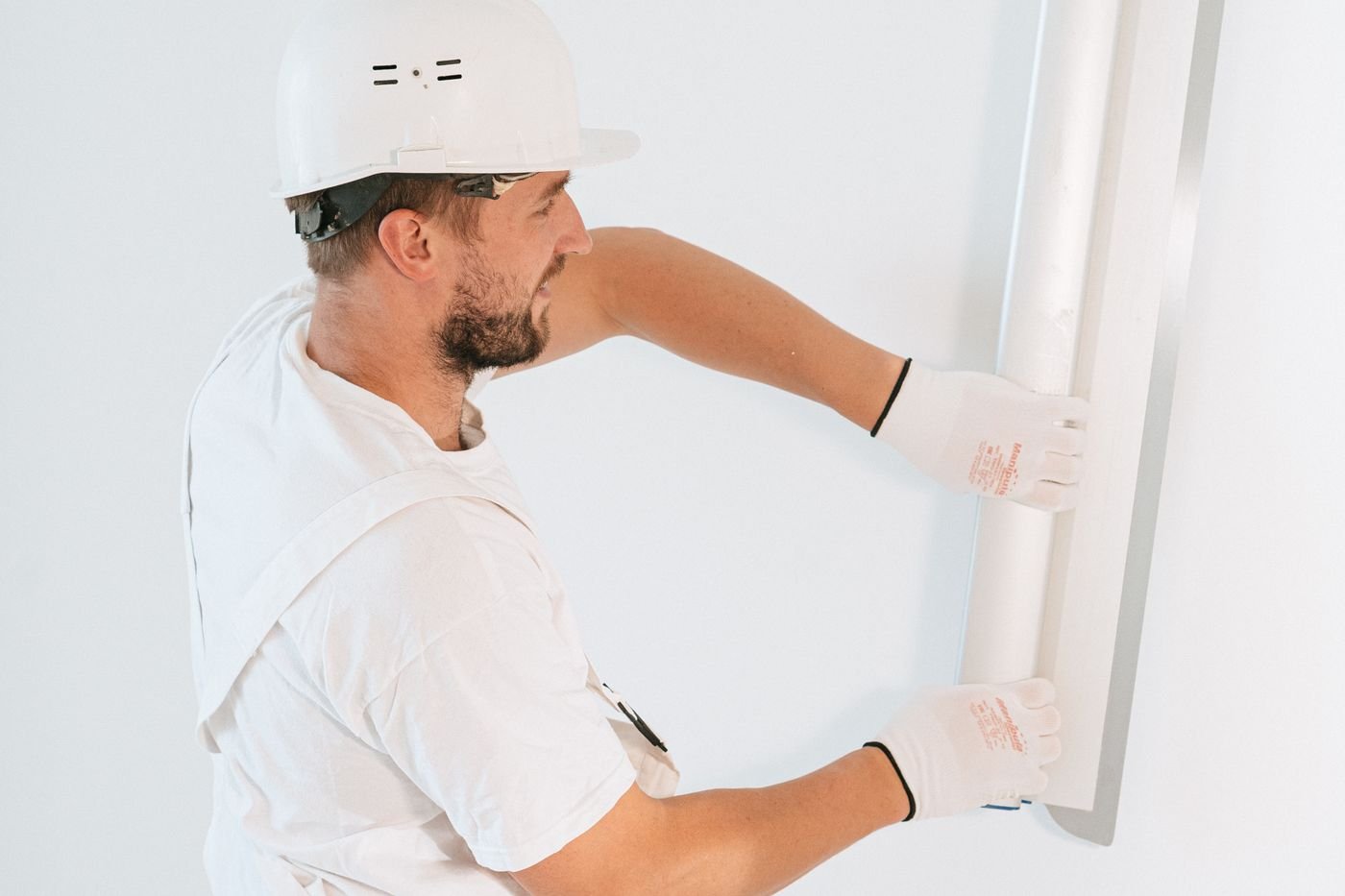
Wall preparation: the step that decides the result
Wallpaper shows everything underneath it. Dents, cracks, texture, stains and uneven paint all telegraph through, and an unprepared wall can cause bubbles, lifting seams and difficult removal later. Good preparation includes:
- Inspect the wall. We look for cracks, holes, loose paint, moisture, stains, textures and previous wallpaper.
- Remove old coverings and adhesive where needed, leaving a clean, sound surface.
- Repair damage. Holes and cracks are patched and sanded smooth. See drywall repair.
- Smooth textured walls. Texture needs to be skim-coated or sanded flat for most papers, except those designed to cover it.
- Clean the surface. Dust, grease and soap residues weaken adhesion.
- Prime or size the wall. A suitable primer seals the surface and gives the adhesive a consistent base. A wallpaper primer or size also makes later removal much easier, because the paper can be peeled off without damaging the wall.
- Check and correct moisture. Damp walls must be dried and the cause fixed before covering.
- Mark plumb lines. Walls and corners are rarely straight, so we use a plumb line or laser to set the first strip truly vertical.
Measuring and ordering
Ordering the right quantity avoids shortages, which are costly because batches vary in colour.
- Measure each wall’s width and height. Add allowance for trimming at ceiling and baseboard.
- Calculate the number of drops. Divide wall width by roll width, rounding up.
- Allow for the repeat. Each strip may need extra length for pattern alignment, and drop matches need more than straight matches.
- Deduct openings with care. Large windows and doors reduce the paper needed, but small openings rarely save a full strip.
- Check roll sizes. Rolls vary in width and length between manufacturers and countries, and some are sold in double rolls or by the metre.
- Order from one batch. The batch (run) number should match, since colours can differ between print runs.
- Keep spare paper. A spare roll is valuable for future repairs.
How wallpaper installation works, step by step
- Protect the room. Floors are covered, furniture is moved or protected and switch plates and outlet covers are removed.
- Check the paper. Rolls are checked for batch number, damage and shading, and a test strip may be hung in a hidden area.
- Plan the layout. We decide where to start and where seams will fall, aiming for the pattern to be centred on the wall or focal point and for the least noticeable joins at corners and doors.
- Draw a plumb line. The first strip is aligned to a vertical line, not to a corner.
- Cut the strips. Strips are cut with extra at top and bottom, and numbered in order so the pattern stays in sequence.
- Apply adhesive. Depending on the paper, paste is applied to the wall or the back of the paper. Papers that are pasted and booked are folded loosely and left to relax for the time the manufacturer recommends.
- Hang the first strip. It is positioned on the plumb line, smoothed from the centre outwards and trimmed at the ceiling and baseboard.
- Match and hang further strips. Each strip is aligned to the last, butted tightly at the seam without overlap, and smoothed.
- Roll or press seams. Seams are pressed gently, and excess adhesive is wiped away with a clean damp sponge.
- Handle corners. Strips are wrapped around inside corners with a small gap, or split, so that the paper does not tear when the wall moves. Outside corners are handled with care to avoid lifting.
- Cut around openings. Electrical boxes, windows and doors are cut accurately with sharp blades.
- Check and finish. Bubbles, lifted edges and adhesive marks are corrected. Cover plates are replaced, and we walk through the room with you.
Details that separate good installation from great
- Sharp blades. Blunt blades tear paper at the edges, so blades are changed often.
- Temperature and humidity. Rooms should be at normal living temperature, and extreme conditions affect adhesive and paper.
- Consistent adhesive. Too little leaves lifted edges, and too much squeezes out and stains.
- Pattern alignment at eye level. The pattern is matched where it is most visible, with any mismatch hidden high or low.
- Seam placement. Seams avoid visible spots, such as the centre of a focal wall.
- Clean hands and tools. Adhesive and dirt on the face of delicate papers cause marks.
- Patience around outlets and fixtures. Careful cutting makes a neat result.
Grasscloth and natural coverings: what to expect
Natural coverings are beautiful, and they behave differently from printed papers. Expect visible seams, variation in colour from strip to strip and shading effects where the weave catches the light. Installers often hang strips in a set order and sometimes reverse alternate strips to balance the shade, according to the manufacturer’s guidance. Adhesive must not touch the face of the material, because it can stain. They are not scrubbable and are best protected from kitchen splashes and children’s hands. Choosing natural coverings means accepting these characteristics, and many people find them part of the appeal.
Murals and panel systems
Murals arrive in numbered panels, and the order is critical. We lay out the panels before hanging, check for damage and plan the placement on the wall, aligning the central panel first and working outwards. Murals need flat walls, and any bumps or textures show clearly. Panel systems, such as slat walls and 3D panels, need accurate layout lines, solid fixing and careful treatment of edges, corners and openings. Lighting that grazes the surface can accentuate texture and any misalignment, so we consider the lighting at the planning stage.
Wallpaper removal: how it is done well
Removing old wallpaper is often the least popular job in a house, and the way it is done affects how good the next finish will look. The method depends on the paper and the wall.
- Identify the paper. Strippable papers peel off dry, leaving a backing layer that can be removed or left as a lining. Non-strippable papers need soaking or steaming.
- Test a small area. We try the method on a hidden spot, to see how the paper and wall react.
- Protect the room. Floors, baseboards and electrical outlets are covered, and power to outlets is turned off if water is used nearby.
- Peel the top layer. Many papers have a vinyl or paper face that can be peeled away, leaving a backing.
- Soften the backing and adhesive. Warm water with a removal solution, or a steamer, is used carefully, keeping the wall from becoming over-wet.
- Scrape gently. A plastic or broad knife lifts the paper without gouging the wall.
- Remove residue. Adhesive is washed away, since leftover paste causes paint and new paper to fail.
- Dry and inspect. The wall is allowed to dry, and damage is assessed.
- Repair and prime. Torn paper on drywall, gouges and cracks are repaired, and a primer is applied before painting or re-papering.
Old wallpaper on unprimed drywall can bond so strongly that removal lifts the paper facing of the board. In that case, the surface needs careful sealing and skim coating after removal. Walls with several layers of paper take longer. In older homes built before the 1980s, wall surfaces may carry paint that contains lead, and removal can disturb it. If your house is older, tell us, and we take precautions or suggest testing.
Moisture, ventilation and wall coverings
Moisture is the greatest enemy of wall coverings. Steam from showers, splashes at sinks and damp from basements and exterior walls can lift seams, stain paper and encourage mould behind the covering.
- Use bathroom fans and run them during and after showers.
- Choose suitable products. Vinyl and some non-woven papers tolerate humidity better than natural materials and untreated paper.
- Avoid direct splash zones. Do not paper behind sinks, tubs and cooktops unless the product is designed for it.
- Do not paper damp walls. Dry them and fix the cause first.
- Seal the edges. Where papers meet tubs, sinks and trim, a flexible sealant can protect the edge.
Ceilings and unusual surfaces
Ceilings can carry wallpaper for a dramatic effect, though they are more difficult, because gravity works against the installer and the paper must be handled carefully. Sloped ceilings, bulkheads and the inside of closets and niches are also possible. Curved surfaces, stairwells with high walls and rooms with many angles need extra planning and more than one installer. Textured plaster ceilings need smoothing before covering. We assess each situation, and tell you if a surface is not suitable.
Commercial wall coverings
Offices, restaurants, hotels, clinics and retail spaces use wall coverings for durability, acoustics and brand identity. Commercial vinyls are made in wide widths with a strong backing and are often tested for abrasion, stain resistance and fire performance. Installation follows the manufacturer’s specification, which includes adhesives, seam treatments and wall preparation. Commercial work is usually scheduled around operations, with after-hours installation. See commercial painting for how we plan work around your business.
Care and cleaning
- Dust regularly with a soft, dry cloth or a vacuum brush on low suction.
- Clean marks gently. Washable coverings can be wiped with a damp sponge and mild soap. Test in a hidden place first.
- Do not soak. Excess water gets into seams and loosens adhesive.
- Avoid harsh chemicals and abrasives. They damage printed surfaces and finishes.
- Protect from sunlight. Strong sun fades colour over time, so blinds or curtains help.
- Keep furniture slightly away from papered walls, to avoid scuffs.
- Fix lifting seams early. A dab of seam adhesive stops small lifts from spreading.
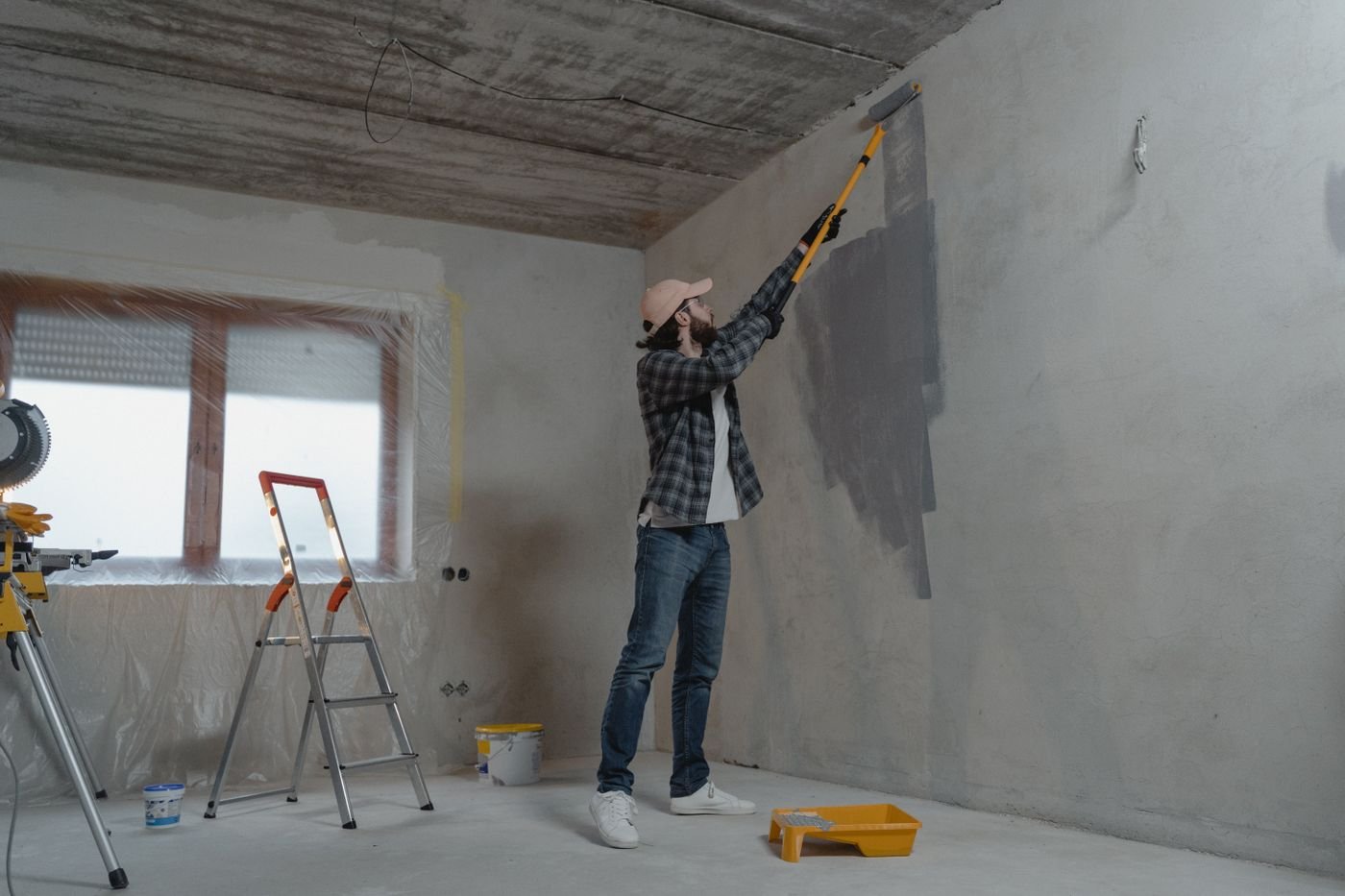
Repairs and touch-ups
Wallpaper can be repaired. Small tears and lifted seams can be glued down with seam adhesive. Damaged patches can be replaced with spare paper by tearing or cutting a patch with feathered or matched edges, so that the join is hard to see. Matching the pattern requires spare paper from the same batch, which is why we recommend ordering extra. Where paper has faded, a patch may look different, and replacing the whole strip or wall gives a better result.
Wall coverings in rentals and condos
Tenants and condo owners often face restrictions on altering walls. Peel-and-stick coverings and some strippable papers may be acceptable, and approval from the landlord or property manager is the first step. Choose products designed to be removed without damage, check the wall paint is in good condition and well bonded and test in a small area. We can advise on options that give a strong effect with minimal commitment. See also general handyman repairs for related small jobs.
What affects the time and cost of a wall covering job
We do not publish prices, because every project is different. The factors include:
- The area, the ceiling height and the number of openings.
- The type of covering and its handling needs, since natural materials and murals take more skill and time.
- The pattern and the amount of matching.
- Wall condition and the preparation required, including removal of old coverings.
- The number of corners, obstacles and fixtures.
- Access and any need for scaffolding or two installers.
- Drying and curing times, and the need for more than one visit.
- Who supplies the materials and how much waste is allowed.
Common wall covering mistakes
- Skipping preparation. Imperfections show, and adhesion fails.
- Not using a plumb line. Walls and corners are rarely straight, and the pattern drifts.
- Ordering too little, or mixing batches. Colour mismatch and shortages.
- Wrong product for the room. Delicate papers in humid areas fail.
- Too much or too little adhesive. Staining or lifted seams.
- Stretching the paper. It shrinks back and leaves gaps at seams.
- Overlapping seams on papers that should be butted. Visible ridges.
- Not priming for later removal. Future removal damages the wall.
- Choosing pattern without testing. A large sample on the wall tells more than a small chip.
How to prepare for your wall covering project
- Walls identified, with photos and measurements, and any existing coverings noted.
- Wall condition checked for cracks, moisture, texture and previous paint.
- Covering type, pattern and colour chosen, with a large sample viewed in the room.
- Quantity calculated, with allowance for repeat, waste and spares.
- All rolls from the same batch, and delivered before the installation date.
- Furniture and wall hangings cleared, with space around the walls.
- Painting and repairs scheduled before wallpaper, and trim or baseboards planned.
- Rules and approvals checked for condos, rentals and commercial spaces.
- Pets and children kept away from adhesive, tools and blades.
Frequently asked questions in more detail
How long does wallpaper last?
It depends on the type, the room and the care. A well-installed covering on a well-prepared wall in a suitable room can last for years. Light, moisture, wear and cleaning all affect it, and we do not promise a lifespan.
Should I paint before or after wallpapering?
Usually, ceilings and trim are painted first, and wallpaper goes on the walls, with final touch-ups after. Painting after installation risks splashing the paper. We coordinate the order with you.
Can wallpaper hide imperfect walls?
Heavy, textured and paintable coverings can mask minor imperfections. Thin papers, glossy finishes and dark colours show every flaw. It is better to repair the wall than to hope that paper will hide the problem.
Will wallpaper damage my walls?
Not if the wall is well prepared and the paper is removable. Poorly bonded paint, unprimed drywall and aggressive removal can cause damage. Priming and choosing strippable products protect the wall.
Can you install wallpaper that I buy elsewhere?
Yes. Send us the product details so that we can check installation requirements, the adhesive type and the quantity, before it arrives.
What if the pattern does not match at a corner?
Corners are where patterns shift, because walls are not perfectly square. We plan the layout to put the least noticeable mismatch in the least visible corner, and explain it to you before we begin.
Do you also do painted feature walls and panelling?
Yes. Painted treatments, wood slats and panelling are alternatives to wallpaper, and sometimes combine with it. See carpentry and TV and fireplace wall designs.
Can wallpaper be installed over paint?
Yes, if the paint is sound, clean and primed or sealed. Glossy paint should be sanded or de-glossed, and flaking paint removed. A suitable primer improves adhesion and later removal.
Official guidance: For independent consumer information in Ontario, see Consumer Protection Ontario.
Wall covering in London, Ontario
Tell us about the room and the look you want. We will visit, look at the walls, discuss products and give you a clear written estimate. You can call 519-494-3673, message us on WhatsApp or use the contact form for a free consultation. For the paint and plaster work that goes with it, see residential painting, and for larger projects, see home renovation.
Before we start
A little preparation makes wall covering go more smoothly. Colour choices or references, a list of rooms or surfaces, and anything that must stay protected or be moved before we start.
Serving London, Ontario
We work with homeowners, landlords and businesses across London, Ontario and the surrounding area. Call 519-494-3673 or request a free consultation. You can also browse all of our services or see more painting work.
Frequently asked questions
How much does wall covering cost in London, Ontario?
Painting is quoted from the area, the number of coats, the condition of the surfaces and how much preparation is needed. Preparation is where most of the time goes, so it is itemised in the estimate. Call 519-494-3673 or send a message for an estimate for your address.
How long does wall covering take?
A typical room can be prepared and painted in a few days, allowing for drying time between coats. We confirm the schedule once we have seen the surfaces.
What should I have ready before booking wall covering?
Colour choices or references, a list of rooms or surfaces, and anything that must stay protected or be moved before we start.
What should I know about wall covering before we start?
Smooth, primed walls make removal easier in the future; we prepare them with that in mind.
Can you install wallpaper on any wall?
Most smooth, sound, clean and properly primed walls can take wallpaper. Heavily textured walls, damp walls, crumbling plaster and glossy surfaces need preparation first, and some situations are better suited to another finish. We inspect the wall, explain what preparation is needed and tell you honestly if a wall is a poor candidate.
Can you remove old wallpaper without damaging the walls?
In most cases, yes, though it depends on the paper, the adhesive and what is under it. Wallpaper hung directly on unprimed drywall can tear the paper face of the board. We test a small area first and choose the method that is safest for the wall, then repair and prime the surface afterwards.
How much wallpaper do I need to order?
It depends on the wall area, the pattern repeat and the number of openings. Patterned papers need extra for matching, and every order should include a margin for cutting mistakes and future repairs. We measure and calculate the quantity with you, and we recommend ordering all rolls from the same batch.
Is peel-and-stick wallpaper a good option?
It can be, particularly in rentals and for small accent areas, because it is easy to apply and remove. It needs a smooth, clean, well-sealed surface, and results vary between products. Large walls and textured surfaces are harder to do well. We tell you which type suits your wall and your goals.
Can wallpaper go in a bathroom or kitchen?
Some papers, particularly vinyl and certain non-woven products, are made for humid rooms. Success also depends on ventilation, the wall preparation and the positions near sinks, showers and stoves. We help you choose a suitable product, and we tell you where wallpaper is likely to struggle.
Related services
Residential Painting
A fresh coat of paint is the fastest way to change how a home feels. We…
Learn more →Commercial Painting
Offices, shops, restaurants and rental units need painting that minimises downtime. We plan commercial projects around…
Learn more →Drywall Services
From hanging new boards to a smooth finish ready for paint, drywall quality determines how good…
Learn more →Last updated
Free consultation
Tell us what you need and get a clear, written estimate.
Ready to start your project?
Book a free consultation. Tell us what you need and we will get back to you with clear next steps.