
Furniture Assembly & Disassembly in London, Ontario
- Free consultation
- Written estimates
- London, Ontario
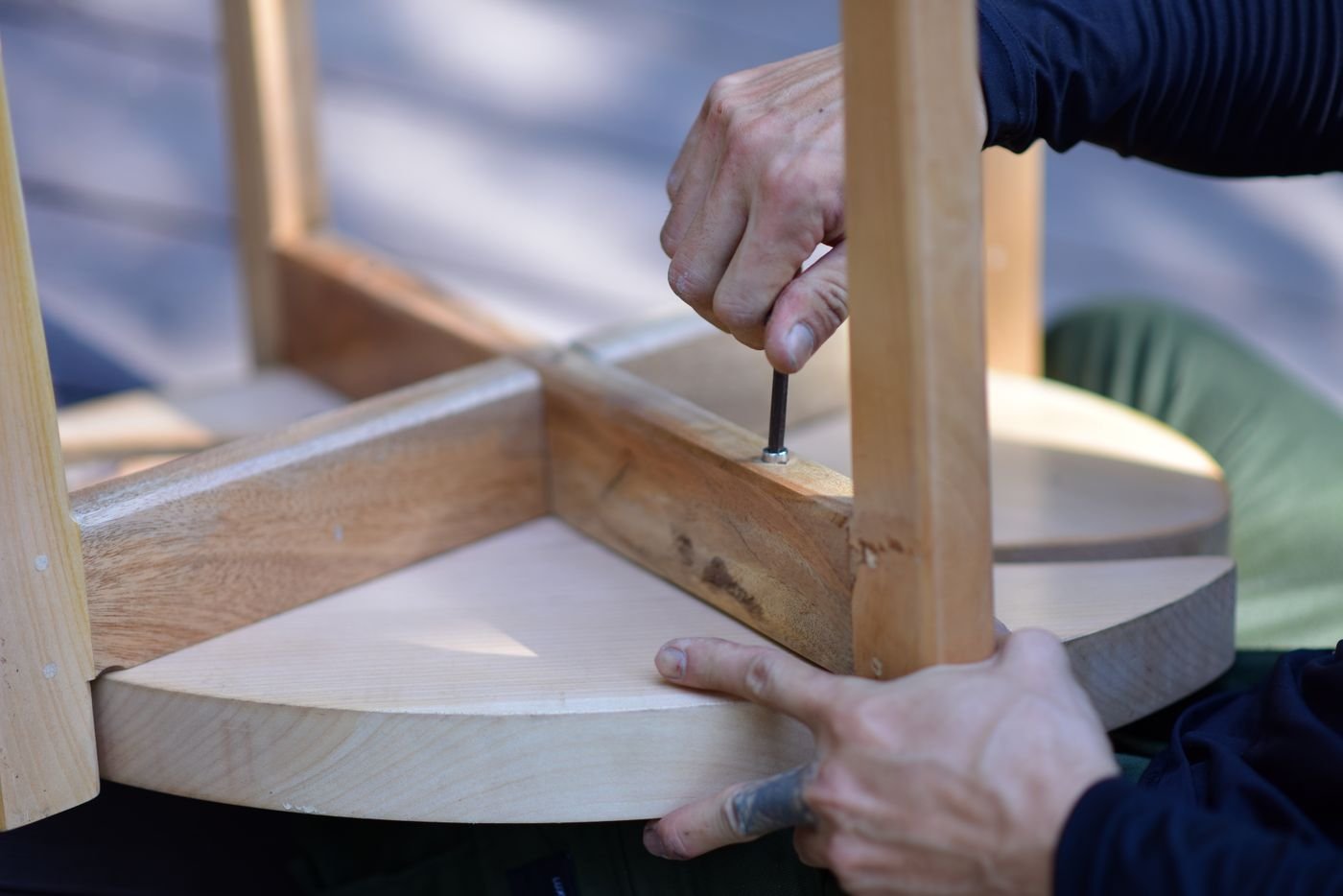
Flat-pack instructions are rarely fun. We assemble beds, wardrobes, desks, shelving and office furniture, and take furniture apart safely for moves and storage.
What Furniture Assembly & Disassembly includes
- Beds, dressers, wardrobes and bookcases
- Desks and office furniture for home and business
- Careful disassembly and labelling for moves
- Securing tall furniture to the wall for safety
How we work
- Preparation. Tell us about the job. We review photos and details, ask the right questions and give you a clear estimate.
- Communication. We agree scope, materials and timing with you and keep you updated as work progresses.
- Execution. We do the work carefully, protect your space, clean up and walk you through the result.
Good to know: Keep the original box and hardware bag where possible; missing parts are the most common cause of delays.
Flat-pack should not take your whole weekend
Furniture is easier to buy than ever, and harder to build. The boxes are heavy, the instructions are wordless diagrams, the hardware is in forty tiny bags and one missed step at the start can ruin the last hour. Many people find that assembly takes much longer than expected, and the result is only as good as the care taken along the way. A wobbly bookcase or a wardrobe that has not been anchored is more than an inconvenience.
This guide explains how our furniture assembly and disassembly service works in London, Ontario, and how to get the best result. For a list of common pitfalls, see our blog guide on furniture assembly mistakes that cost you time.
What we assemble
- Bedroom furniture. Beds, bunk beds, dressers, nightstands and wardrobes.
- Living room furniture. Bookcases, TV stands, media units and tables.
- Home office furniture. Desks, filing units, chairs and shelving.
- Kids’ furniture. Cribs, beds, desks and play furniture, assembled with care.
- Storage. Shelving units, cabinets and organisers.
- Business furniture. Reception desks, workstations and shelving for offices and shops.
How a visit works
- We check the parts. Everything is counted against the parts list, and checked for damage.
- We read the plan. The full instruction sequence is reviewed before we start.
- We choose the work area. Pieces are built where they will stay, or where they can be moved safely.
- We assemble. Fasteners are left slightly loose until the frame is square, and then tightened in stages.
- We level and adjust. Doors, drawers and feet are adjusted.
- We secure. Tall and heavy pieces are anchored to the wall.
- We clean up. Packaging is cleared, and the space is left tidy.
Why anchoring matters
Tall, narrow furniture can tip, particularly with drawers open or when children climb. Manufacturers include anti-tip hardware, but it is often left in the bag. We fasten it into studs, or use suitable anchors for the wall type. Wall-mounted items, such as shelves and cabinets, need correct fastening for the weight they will carry. See shelf and cabinet installation.
Disassembly and moving
Moving is easier when furniture is taken apart carefully. Our approach includes:
- Photos of each step so reassembly is clear.
- Labelled hardware bags taped to the matching part.
- Protected panels and corners, wrapped to avoid damage.
- Honest advice. Some particle-board and cam-lock pieces do not rebuild well, and we tell you if a piece may not survive being taken apart.
We can disassemble before a move and reassemble at the new place, or do one or the other.
Furniture installation
Some furniture needs more than assembly, such as built-in style units, wall beds or items fixed to the wall or floor. See furniture installation for those jobs.
Combine assembly with other jobs
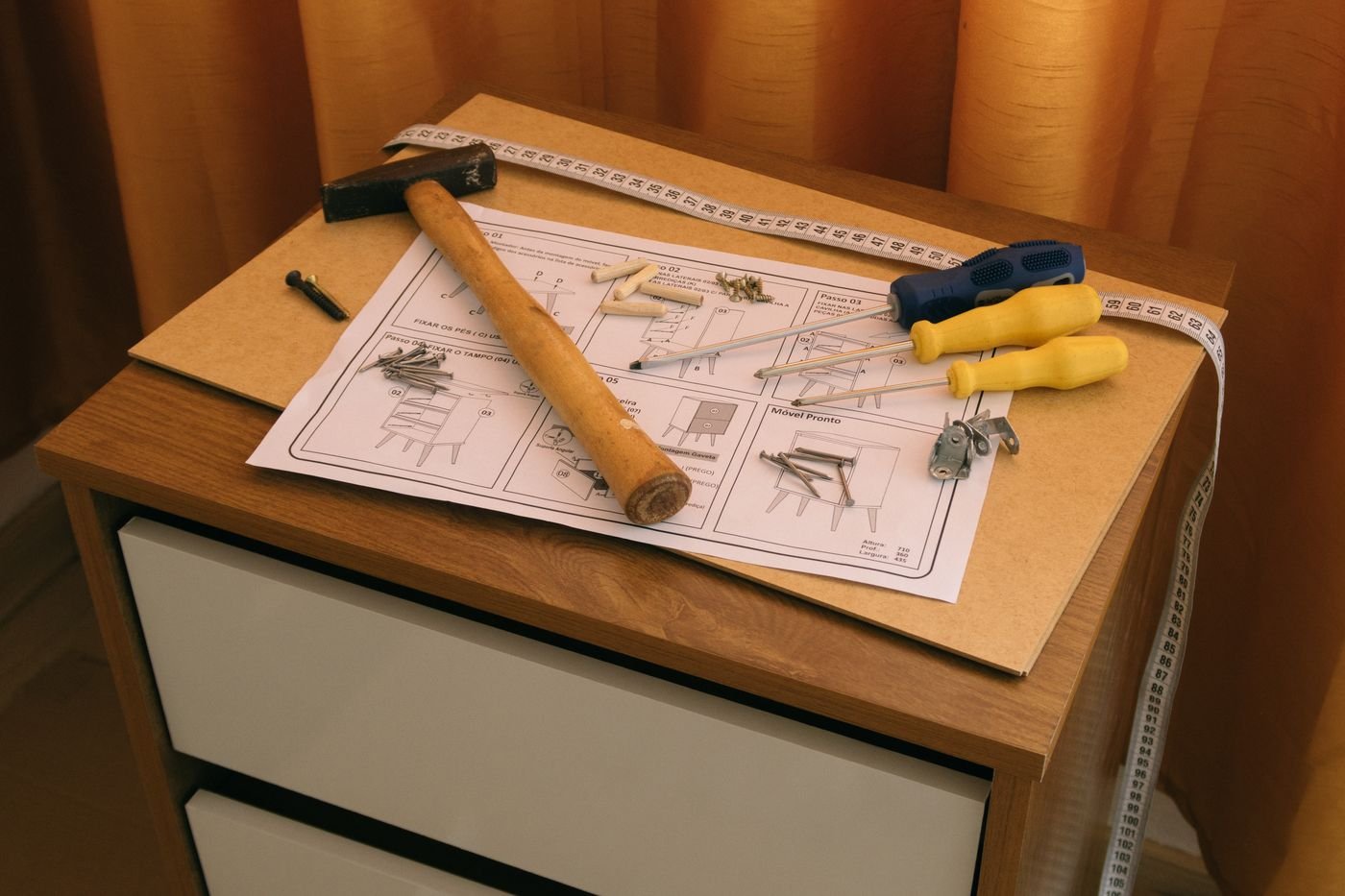
Assembly visits often include other small tasks: hanging a mirror, mounting a TV or adjusting a door. Group them into one visit where you can. See general handyman repairs and TV mounting services.
For businesses, landlords and property managers
We assemble furniture for offices, shops, rentals and furnished units, including multiple identical pieces. Tell us the quantity and timeline, and any rules for building access and working hours, and we plan a schedule that minimises disruption.
Common assembly problems
- Missing or damaged parts. Found early, they are easier to resolve.
- Wrong orientation. Panels in the wrong direction cause holes to miss.
- Over-tightening. It strips threads and crushes particle board.
- Uneven floors. Pieces rock and loosen over time.
- Skipping the back panel. It keeps the frame square.
- Not anchoring tall pieces. A safety risk.
- Building in a tight space. Pieces cannot be stood up or moved.
How to prepare for your visit
- All boxes in the room, or easy to reach.
- Instructions and hardware bags kept with each box.
- Open floor space of about two metres around the build area.
- Information on where each piece will go.
- Details of elevators, stairs and parking for large pieces.
- Pets and children kept away from tools and parts.
- Receipts and retailer details for any damaged items.
The tools and equipment a proper assembly needs
The small hex key in the box is designed to be cheap, not good. It works, but it is slow, it rounds off screw heads and it is hard on the wrist after the fifteenth fastener. A professional assembly uses tools chosen for the work, and the difference in speed and finish is considerable.
- Screwdrivers and bits. Phillips, flat, Torx and square-drive bits in several sizes, because manufacturers use all of them, sometimes in the same piece of furniture.
- Cordless drill or driver with an adjustable clutch. The clutch is the important part. Set low, it stops turning before the screw strips the particle board or crushes the surface of a panel.
- Hex keys and a ratchet set. For bolts, bed frames and metal connectors that need real torque.
- Rubber mallet. For seating dowels and tapping panels together without leaving marks.
- Level and tape measure. For checking the finished piece and for marking positions on the wall.
- Stud finder. For locating the framing behind the wall before anti-tip hardware is fastened.
- Furniture blankets or cardboard. To protect the floor and the finished surfaces during the build.
- Wood glue and small clamps. Used only where the manufacturer’s instructions call for glue, or when a joint has been damaged.
- Shims and felt pads. For levelling the piece and protecting your floor afterwards.
Having the right tools matters less for a single side table and a great deal for a wardrobe with sliding doors, a bunk bed or a desk with a hutch, where the same fastener may need to be driven fifty times and where a stripped thread late in the build is hard to recover from.
Understanding what your furniture is made of
The material tells you how the piece should be handled. Most flat-pack furniture is built from engineered wood, and each type behaves differently.
Particle board
Made from compressed wood chips and resin, usually covered with a laminate or melamine surface. It is economical and stable, but it has little holding power in the edges, so screws and cam locks can strip the core if they are over-tightened or reused many times. It also swells if it gets wet, which is why spills on the edges and bottoms of pieces matter.
MDF (medium-density fibreboard)
Smoother and denser than particle board, with a uniform surface that takes paint well. It is heavy, and it can split if screws are driven too close to an edge without a pilot hole. Like particle board, it does not tolerate moisture.
Plywood
Layers of real wood veneer glued with the grain alternating. It holds fasteners better than particle board and tolerates a little more handling, so it is common in higher-quality furniture and in drawer boxes.
Solid wood
Pine, oak, maple and other species. Solid wood is strong and can be repaired and refinished, but it needs pilot holes, and its seasonal movement means joints should not be glued rigidly across the grain.
Metal and mixed-material pieces
Metal frames, glass tops and stone surfaces are heavy and need two people and the right fasteners. Glass in particular should be handled with care and installed last.
The fasteners you will meet
Most assembly problems come from a misunderstanding of how a particular fastener works. A few of the most common ones:
- Cam locks and cam bolts. A bolt screwed into one panel with a round metal cam in the neighbouring panel. Turning the cam draws the two together. They need to be turned only until they stop, and turning further can crack the panel.
- Wooden dowels. Small pegs that align panels. They should slide in with light pressure, and forcing them usually means a panel is the wrong way round.
- Confirmat and wood screws. Thick screws driven directly into the panel edge. They need pilot holes, and they are the fasteners most easily over-tightened.
- Machine bolts and barrel nuts. Used in beds and heavy frames, giving strong joints that can be taken apart repeatedly.
- Metal brackets and brace plates. Used on corners and long spans to add rigidity.
- Back-panel nails or staples. Small fasteners that hold the thin back in place and keep the frame square.
- Hinges, runners and slides. Moving parts with their own adjustments, set after the frame is built.
Assembly by furniture type
Beds and bed frames
Beds carry a lot of weight and move in use, so joints must be tight. Bolts should be snug and re-checked after the first few weeks, because new frames settle. Slats must be evenly spaced and fully seated, and the centre support should reach the floor on larger frames. We check that the mattress fits and that the headboard is fastened to the frame or the wall as the design requires.
Bunk and loft beds
These are safety-critical. Every bolt must be tightened, the guard rails must be at the full intended height, and the ladder must be fixed securely. We follow the manufacturer’s weight and age limits exactly and tell you if any part seems missing or damaged. Do not use a bunk bed with parts substituted.
Cribs and children's furniture
Cribs have strict requirements for slat spacing, mattress fit and hardware. We assemble to the instructions without improvisation and check that every fastener is tight, then you can inspect it before it is used. Changing tables and dressers for children should be anchored to the wall.
Wardrobes and closets
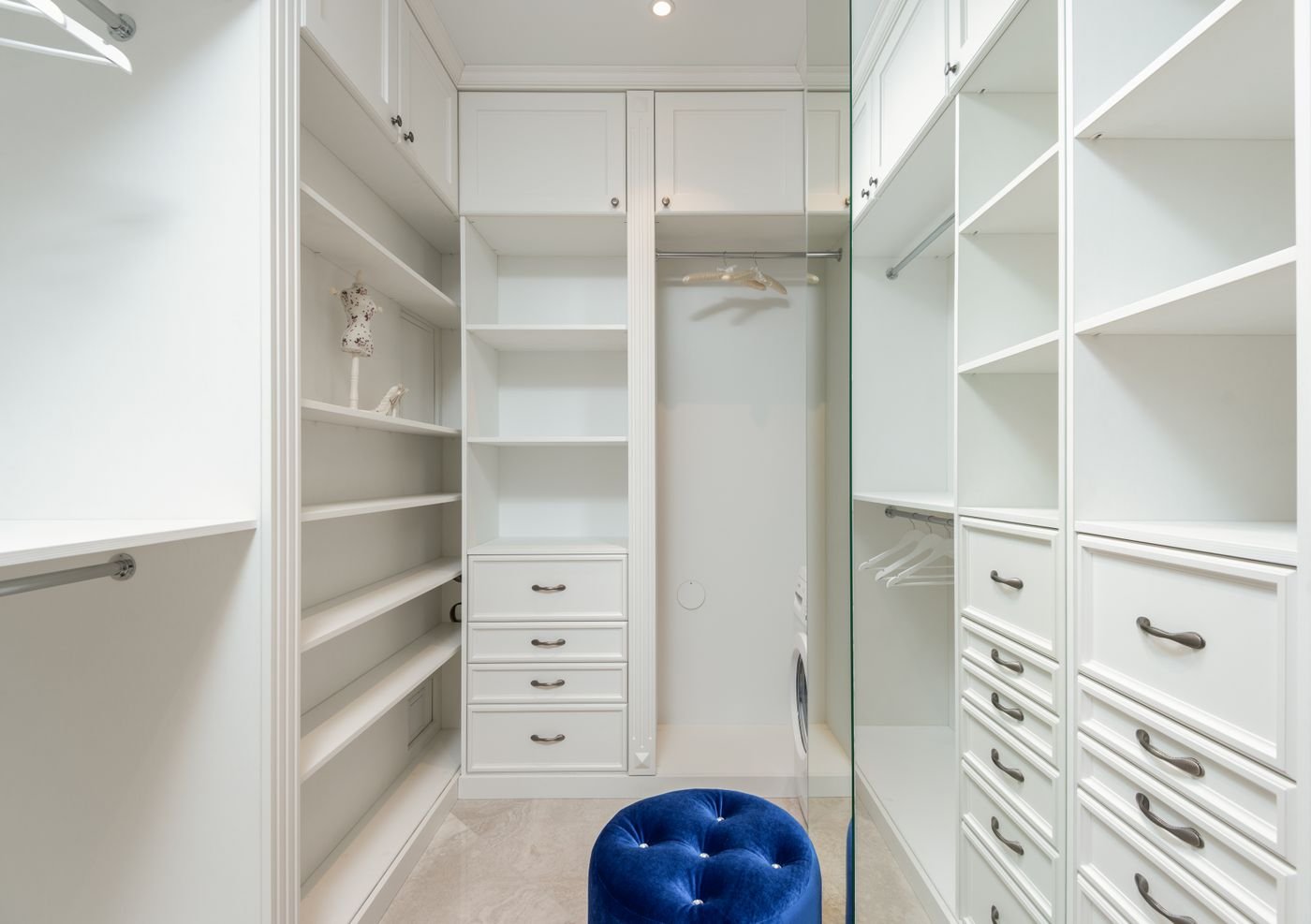
Tall, heavy and awkward. They need space to be stood up, a level floor and wall anchoring. Sliding doors need accurate levelling, because a wardrobe that leans by a few millimetres makes doors drift and jam. Mirrors and glass panels go on last.
Dressers and chests of drawers
Drawer runners must be parallel and square. A dresser built with one slide slightly out will bind, and no amount of adjusting will fix it, so we check each pair as it goes in. Dressers must be anchored to the wall, because open drawers shift the weight forward.
Bookcases and shelving units
The fixed shelves add rigidity, and adjustable shelves rest on pins, so the pins must be seated evenly. Bookcases carry heavy loads and should be anchored. For heavier storage plans, see shelf and cabinet installation.
Desks and office furniture
Desks need to be level and stable, because a rocking desk is tiring to work at. Standing desks have motors, wiring and control boxes, and cable management should be planned as it is built. Office chairs are simpler, but gas lifts and casters need to be seated properly.
TV stands and media units
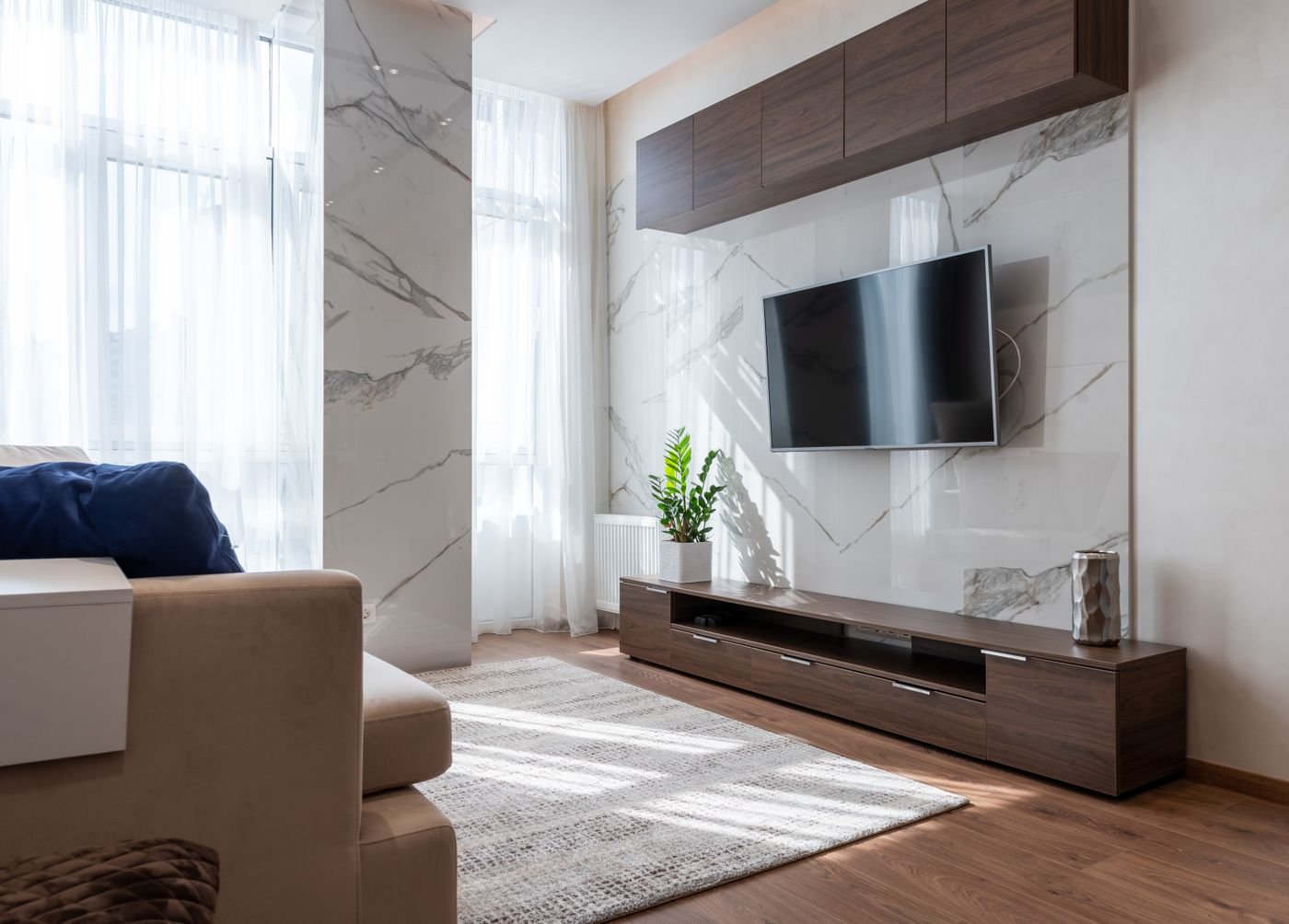
These often have glass doors, cable pass-throughs and heavy tops. We position them to allow ventilation and cable routing, and anchor them if tall. See also TV mounting services if the screen is going on the wall above.
Outdoor and patio furniture
Metal and resin pieces use different fasteners, and they should be tightened firmly and rechecked after the first week of use. Keep any hardware that comes with them, because it is hard to replace.
Working in apartments and condos
Many assembly jobs take place in buildings with their own rules. Elevator bookings, loading-zone limits and quiet hours are common. Large boxes may need to be moved by stairs, and pieces may need to be built in the room where they will stay, because they cannot be carried through the hall in one piece. Tell us about building rules when you book, and we plan around them. Wall anchoring in condominiums may be subject to rules about what can be fastened to walls, and it is worth checking with your property manager.
What affects how long an assembly takes
We do not promise a time for every piece, because time depends on a number of things that vary between products.
- The quality of the instructions and the hardware. Well-designed pieces go together quickly. Poorly designed ones need extra care.
- The number of parts. Wardrobes, bunk beds and large desk systems can have hundreds of fasteners.
- Whether parts are missing or damaged. This can pause the job until replacements arrive.
- Space and access. Tight rooms, stairs and long carries add time.
- Extra work. Anchoring to the wall, cable management, levelling and adjusting doors and drawers all take time.
- Disassembly of old pieces. Removing an old bed or wardrobe before the new one goes in is its own task.
When you send us the product names or links, we can give a realistic idea of what is involved and the estimate you receive will explain what it covers.
What to ask for in an assembly estimate
A clear estimate prevents surprises. It is reasonable to ask:
- Which pieces are included, and in which rooms?
- Is wall anchoring included for tall items?
- Is packaging removal included, and where does it go?
- Are there extra charges for stairs, elevators or long carries?
- What happens if a part is missing or damaged?
- Is there a charge for returning if a replacement part has to be fitted later?
- How will the finished pieces be checked with you?
Retailers, warranties and your responsibilities
Most flat-pack furniture comes with a limited warranty from the manufacturer or retailer. These warranties often assume correct assembly following the instructions, which is one reason we do not improvise. Keep the receipt, the instructions and the box labels until the piece is built and checked. If a part is faulty, report it to the retailer promptly and keep photographs. We can document any defects we find during assembly, which can help your claim.
Some retailers also offer their own assembly service. Whether you use theirs or ours, it is wise to inspect the finished piece before the installer leaves, and to test the doors, the drawers and the stability.
When furniture wobbles: troubleshooting
A wobble after assembly is common, and it usually has an identifiable cause.
- Loose fasteners. Re-tighten gradually across the whole piece, not only the obvious joint.
- Frame out of square. Measure the diagonals, and adjust before tightening.
- Uneven floor. Use the adjustable feet or shims.
- Missing back panel or brace. The back panel is a structural part.
- Worn holes. Particle board holes that have been reused may no longer grip, and need repair or a different fastener.
- Warped panel. Sometimes a panel is faulty, and the retailer should replace it.
Children, pets and safety
Furniture tip-overs are a real hazard in homes with young children. Children climb drawers, shelves and low units, and a piece that is stable when empty may tip when a child pulls on it. Anchor tall and top-heavy furniture, keep heavy items on low shelves and do not place a TV on a dresser that was not designed for it. We recommend anti-tip fastening on all tall pieces, and we install it where you want it.
During assembly we keep small parts and tools out of reach, and ask that children and pets stay out of the work area until we have finished and cleaned up.
Disposal, recycling and leftovers
Large pieces of furniture arrive in large amounts of cardboard and polystyrene. We can flatten and remove packaging, and where the local recycling rules allow, sort cardboard from other materials. Leftover hardware should be kept in a labelled bag, taped to the back of the piece or stored with the manual, because it is useful for later adjustments and moves. Old furniture being replaced can be disassembled for removal, and you can arrange donation, resale or municipal collection according to its condition and the local rules.
Moving: disassembly and reassembly in detail
Taking furniture apart for a move reduces damage, because assembled pieces are heavy, awkward and easy to scrape in doorways. A careful approach looks like this:
- Photograph the piece assembled, and at each stage of taking it apart.
- Remove drawers, doors and shelves first, and label them.
- Bag the hardware by section, and tape each bag to the part it belongs with.
- Wrap panels with blankets or cardboard, with extra protection on corners and edges.
- Stack and secure panels flat or on edge, as appropriate, so they do not bend.
- Reassemble in the new home in the reverse order, using the photos.
Some pieces, particularly cheaper particle-board furniture with cam locks, do not survive repeated disassembly well, since the holes wear. We tell you when we think a piece will not rebuild well, so you can decide whether to move it or replace it.
Frequently asked questions in more detail
Can you assemble furniture I bought secondhand?
Often, yes, if the instructions or the parts are available. Without the manual, we work from the design of the piece and experience, but it can take longer, and missing hardware may need to be sourced.
Do you assemble furniture from every retailer?
We work with pieces from any retailer. The brand matters less than whether the parts are complete and the design is sound. Send a link or a photo and we will let you know what to expect.
Can you build several pieces in one visit?
Yes, and it is the most efficient way to book. A single visit for a bedroom set or an office fit-out saves setup time and means the pieces can be positioned and anchored together.
What if I change my mind about where a piece goes?
Tell us before the build, since it is easier to build a piece in its final place. If you change your mind afterwards, many pieces can be moved, but large wardrobes and anchored units should be disassembled or carefully unfastened first.
Can you fix a piece I have already built wrongly?
Often, yes. Common cases include panels fitted backwards, missing fasteners and a frame built out of square. We can take the piece apart, check it and rebuild it correctly. Damaged holes may be repaired with filler or dowels.
Is it worth paying for assembly?
That is for you to decide. For a small, simple item, many people do it themselves. For large, heavy, multi-part or safety-critical pieces, or when your time is the constraint, professional assembly gives a sturdier result and saves effort. We would rather you know what is involved and choose the approach that suits you.
Official guidance: For independent consumer information in Ontario, see Consumer Protection Ontario.
Furniture assembly in London, Ontario
Tell us what you have and where it is going. We will let you know what is involved and give you a clear written estimate. You can call 519-494-3673, message us on WhatsApp or use the contact form for a free consultation.
Before we start
A little preparation makes furniture assembly & disassembly go more smoothly. Photos, rough measurements and a list of what you want done. If you already own the item being installed, keep its box and hardware.
Serving London, Ontario
We work with homeowners, landlords and businesses across London, Ontario and the surrounding area. Call 519-494-3673 or request a free consultation. You can also browse all of our services or see more handyman services work.
Frequently asked questions
How much does furniture assembly & disassembly cost in London, Ontario?
Handyman work is usually quoted by the job or by the hour, depending on how clear the scope is. Small, well-defined tasks are easiest to price from a few photos; a list of several jobs is best quoted together. Call 519-494-3673 or send a message for an estimate for your address.
How long does furniture assembly & disassembly take?
Most handyman tasks fit in one visit, and a short list of jobs often fits in a day. Anything that needs materials to be ordered or paint to cure is scheduled in two steps.
What should I have ready before booking furniture assembly & disassembly?
Photos, rough measurements and a list of what you want done. If you already own the item being installed, keep its box and hardware.
What should I know about furniture assembly & disassembly before we start?
Keep the original box and hardware bag where possible; missing parts are the most common cause of delays.
What kinds of furniture can you assemble?
Beds, dressers, wardrobes, bookcases, desks, office furniture, shelving units, kids' furniture and many other flat-pack items. Send us the brand or a photo of the box, and we will tell you what is involved.
Do you secure tall furniture to the wall?
Yes, and we recommend it for tall, narrow pieces such as bookcases, dressers and wardrobes. We fasten the anti-tip hardware into studs or use anchors suited to the wall type.
Can you disassemble furniture for a move?
Yes. We take pieces apart carefully, bag and label the hardware and keep it with the furniture. Some particle-board pieces do not tolerate being rebuilt many times, and we tell you if that applies.
What if parts are missing or damaged?
We stop and tell you, so you can contact the retailer or manufacturer. We do not substitute random hardware, because it can weaken the piece or void any warranty.
Do you take away the boxes and packaging?
We can break down the packaging and remove it if you wish. Let us know when you book, and tell us about any recycling rules in your building.
Related services
Carpentry
Good carpentry quietly holds a home together: trim that sits tight, doors that close properly and…
Learn more →Drywall Repair
Dents, nail pops, cracks and water-damaged patches are easy to spot and hard to hide unless…
Learn more →General Handyman Repairs
Small jobs pile up. Our general handyman service covers the to-do list: the squeaky door, loose…
Learn more →Indoor & Outdoor Repair Projects
From a loose porch step to a damaged interior panel, we repair and refresh the parts…
Learn more →Shelf & Cabinet Installation
Shelves and cabinets only work if they are level, secure and anchored into the right structure.…
Learn more →TV & Fireplace Wall Designs
A feature wall can anchor a whole living room. We design and build TV and fireplace…
Learn more →Last updated
Free consultation
Tell us what you need and get a clear, written estimate.
Ready to start your project?
Book a free consultation. Tell us what you need and we will get back to you with clear next steps.