
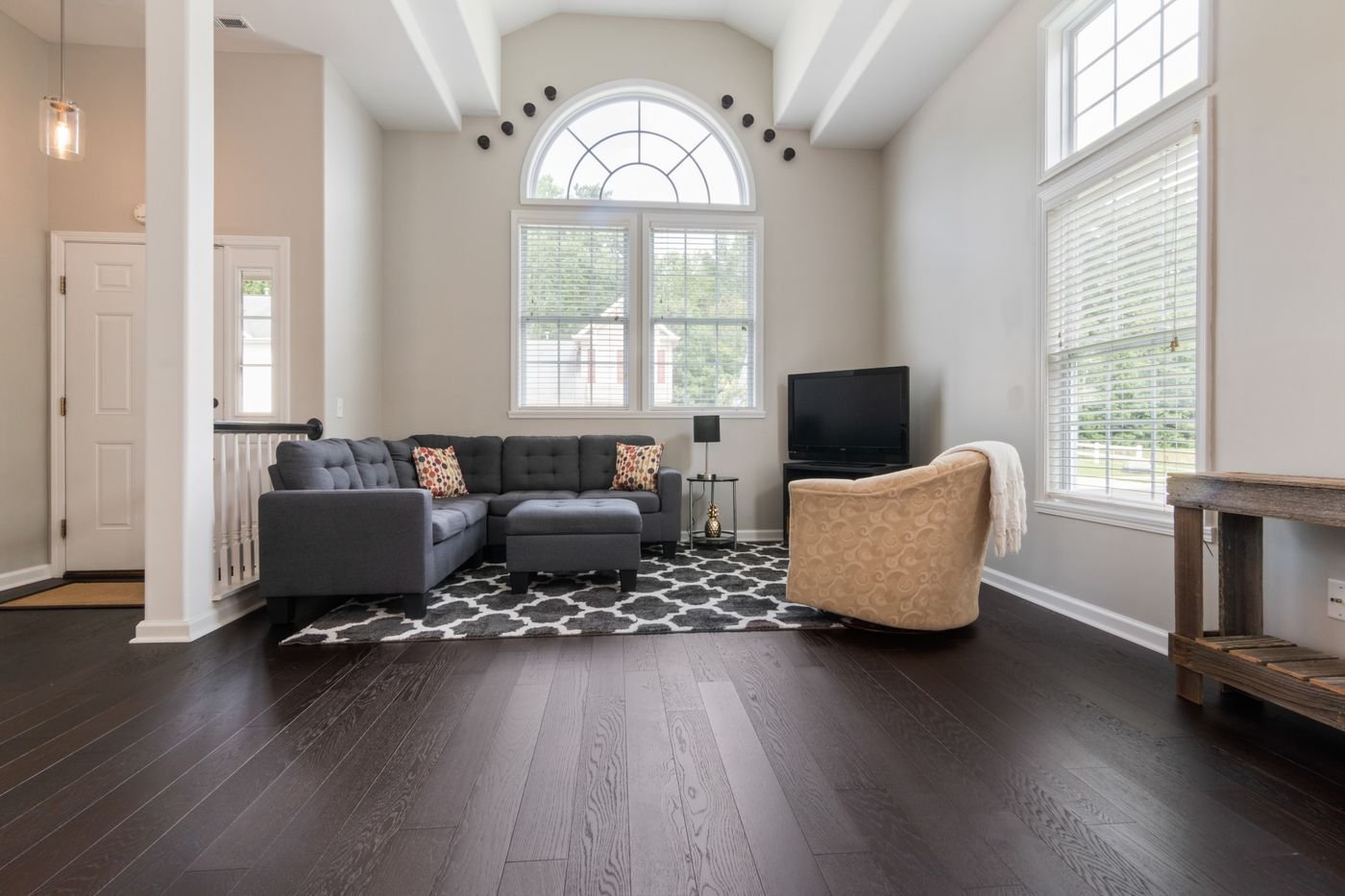
Comfort does not always require a renovation. Draft sealing, better lighting, smarter storage, fresh paint, door and hardware fixes, and a few well-chosen installations can change how a home feels for a modest outlay. This guide ranks practical upgrades by what they do for comfort, not by trend.
When people think about making their home more comfortable, they often imagine a major renovation: a new kitchen, a finished basement, an extension. Those projects have their place, but they are not the only way, and often not the best first step. Many of the things that make a home uncomfortable are small: a draft under the door, a dark corner, a window that will not open, a closet that is impossible to use, a squeaky hinge, a TV that sits on a stand because nobody has mounted it. Fixing these costs far less than a renovation, and the improvement in daily life can be just as noticeable.
This guide collects practical, budget-friendly upgrades that add comfort to a home, from sealing and lighting to storage, paint, hardware and small installations. We do not quote prices, because every home and product differs, but we explain what each upgrade does, how to prioritise and where a handyman can help. It is written for homeowners in London, Ontario, and it draws on our other guides, including the year-round maintenance calendar and the guide to budgeting. For help with the work, see general handyman repairs.
What “comfort” really means in a home
Comfort is not just softness. It is a collection of experiences that add up to how a home feels to live in. Six of them account for most of what people notice.
- Temperature. Rooms that are warm in winter, cool in summer and free of cold spots and drafts.
- Light. Enough of it, in the right places, at the right time of day, without glare.
- Air. Fresh, at a healthy humidity, free of odours and dampness.
- Sound. Quiet where you want quiet, and without noise travelling from room to room.
- Order and convenience. Places for things, easy access to what you use and surfaces that are easy to clean.
- Ease of use. Doors that open smoothly, taps that work, switches where you expect them and nothing that irritates you daily.
Treating comfort this way helps you choose upgrades that matter, instead of ones that merely look good.
How to prioritise
- Safety and water first. Alarms, electrical hazards, leaks, drainage and heating problems come before any comfort upgrade. See the small repairs you should not put off.
- Daily annoyances second. Walk through the house for a day and note every irritation: the door that sticks, the dark hallway, the cold bedroom, the cluttered entry.
- Best value third. Rank the list by how much improvement each gives, and how much it costs and disrupts.
- Group the jobs. Many small upgrades can be done in one visit, saving time and travel costs.
- Phase the rest. Do the most effective upgrades now and schedule the others over the year.
Warmth and draft control
A drafty house is expensive to heat and unpleasant to live in. Sealing air leaks is often the most cost-effective comfort upgrade of all.
- Weatherstripping and door sweeps. Replace worn seals around exterior doors and windows, and fit a sweep at the bottom. See winter home care for how to find drafts.
- Caulking. Seal gaps around window and door frames, trim, penetrations and baseboards.
- Outlet and switch gaskets on exterior walls, fitted with the power off, or by an electrician.
- Attic hatch. Seal and insulate it.
- Rim joists. Seal and insulate them in the basement.
- Window treatments. Thermal curtains, cellular shades and window film help in winter and, with the right use, in summer.
- Rugs and runners on cold floors add warmth.
- Door repairs. A door that closes properly keeps air out. See door installation and repair.
- Heating checks. Clean vents, clear furniture from registers, change filters and have the system serviced. See HVAC.
- Programmable or smart thermostat, installed correctly, to match heating to your routine.
Cooling and ventilation in summer
- Use blinds, shades or curtains on sunny windows during the day.
- Use ceiling fans and portable fans to move air.
- Improve cross-ventilation by opening windows on opposite sides at night.
- Service the air conditioner, and clear the outdoor unit.
- Make sure bathroom and kitchen fans work and vent outdoors. See bathroom waterproofing and ventilation.
- Control humidity with a dehumidifier in basements.
Lighting: the cheapest way to change a room
Light changes how a room feels more than almost anything else, and many improvements cost little.
- Replace bulbs with good-quality LEDs of a consistent colour temperature, and choose brightness for the use of the room.
- Add layers. A single ceiling light is rarely enough. Add table lamps, floor lamps, wall lights and task lights. See kitchen lighting layers for the principle.
- Dimmers. They let one room serve many moods. Installing them is simple electrical work, to be done by a qualified person where required, and they must be compatible with the bulbs.
- Under-cabinet lights in kitchens and plug-in strips are an easy upgrade.
- Night lights in halls and bathrooms.
- Clean windows and fixtures, and keep curtains open in the day, so that daylight reaches the room.
- Light colours and mirrors bounce light around.
- New fixtures. Replacing an outdated light with a better one transforms a room. Wiring changes, new circuits and fixtures in new locations are for licensed electricians. See electric.
Paint: the most visible upgrade
Paint is inexpensive compared with most renovation work, and it changes how a room feels. It is also one of the easiest ways to waste effort, if the preparation is rushed.
- Start with good preparation: clean, fill, sand, prime and caulk. See interior painting preparation.
- Choose colours with the light and the floors in mind. See choosing paint colours and sheens.
- Repaint the rooms that matter most: the main living area, the kitchen, the bedroom and the entry.
- Do not forget the ceiling, the trim and the doors, which often make a bigger difference than the walls.
- Use washable finishes in busy places.
- Consider an accent wall to add interest without repainting the whole room.
See residential painting if you would like help.
Doors, windows and hardware: fix the daily irritations
These small items are used dozens of times a day, and a defect is felt each time.
- Sticking or sagging doors. Adjust hinges, plane the edge, fix the latch and re-hang. See interior door problems.
- Squeaky hinges. Lubricate or replace.
- Door handles and locks. Replace worn or loose hardware, and consider lever handles for ease of use.
- Windows. Free stuck sashes, fix balances, repair screens, replace worn weatherstripping and repair hardware.
- Cabinet doors and drawers. Adjust hinges, replace handles, fit soft-close hardware and fix slides. See cupboard and drawer repairs.
- Closet doors. Realign or replace tracks and rollers.
- Cover plates. Replace yellowed, cracked or missing switch and outlet covers.
Storage and order
Clutter is one of the biggest sources of discomfort, and storage upgrades often provide the largest improvement for the cost.
- Shelves. Add shelves in closets, garages, laundry rooms, pantries and hallways, fixed securely to studs or with the right anchors. See hanging shelves properly and shelf and cabinet installation.
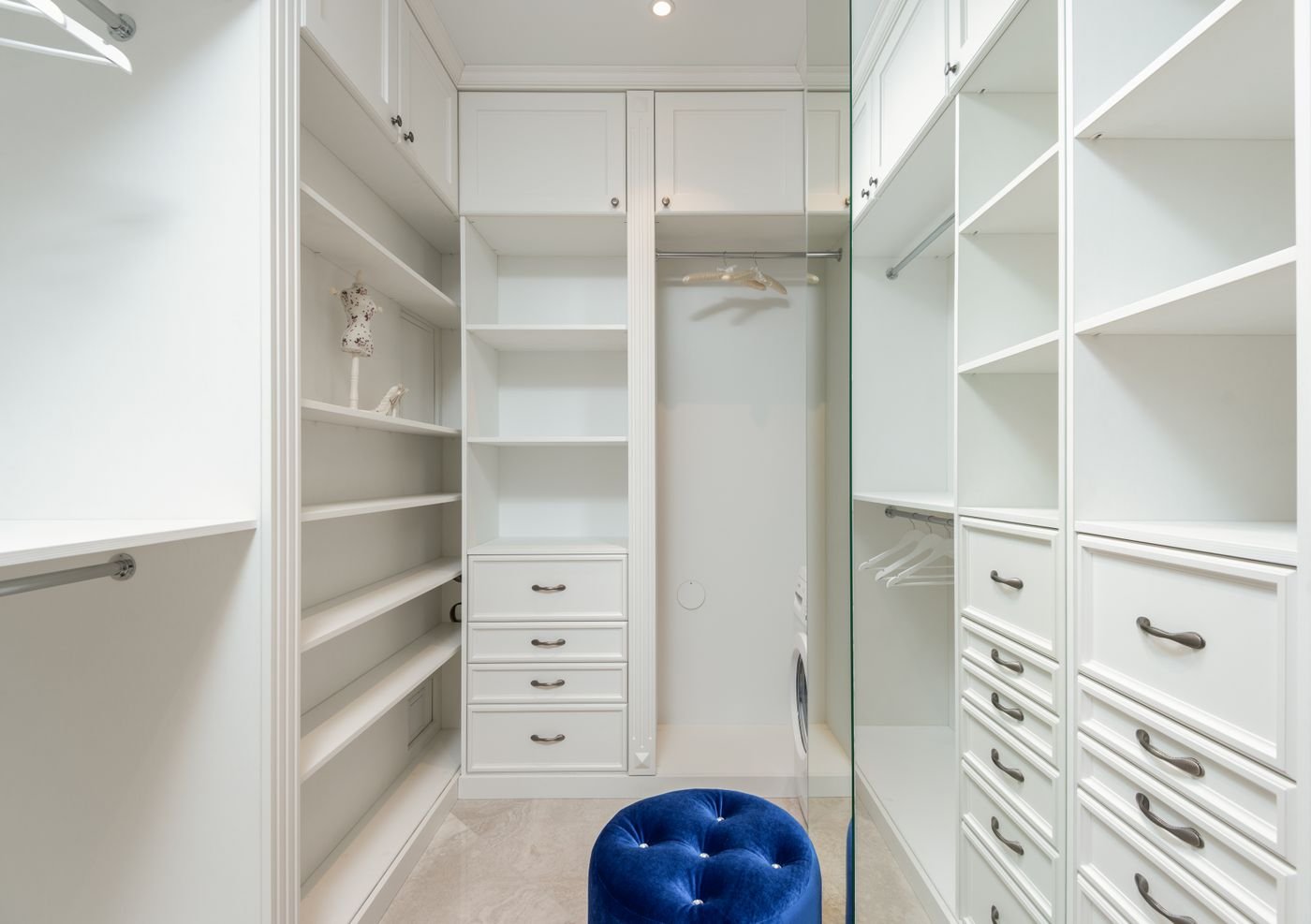
- Closet organisers. Double rods, shelves and drawers can double the capacity of a closet.
- Entry storage. Hooks, a bench and a shoe tray keep the entry tidy and protect floors. See protecting floors from salt and snow.
- Kitchen storage. Pull-outs, dividers and organisers make existing cabinets work harder.
- Wall-mounted solutions. Use vertical space with shelves, racks and hooks.
- Under-stair and under-bed storage. Often unused.
- Built-ins. Custom shelving and benches can be built to fit. See carpentry and furniture installation.
- Anti-tip hardware for tall furniture, for safety. See furniture assembly mistakes.
Comfort at the screen: TVs and media
A properly mounted TV clears furniture and floor space, sits at a comfortable height and reduces clutter. Neat cable management makes the room look calmer. See TV mounting 101 and TV mounting services. For a more built-in look, see TV and fireplace wall designs.
Sound and privacy
- Rugs, curtains and soft furnishings absorb sound.
- Door seals and sweeps reduce noise passing under doors.
- Solid-core interior doors block more sound than hollow ones.
- Seal gaps around pipes, outlets and trim, which let sound through.
- Bookshelves on shared walls help dampen noise.
- Felt pads under furniture reduce scraping noise.
- Insulation and sound-rated drywall are bigger jobs, best done during renovation. See finishing a basement.
Floors: comfort underfoot
- Rugs and runners add warmth, softness and sound absorption, with non-slip underlays.
- Anti-fatigue mats in kitchens and workshops ease standing.
- Repair squeaks and loose boards.
- Refresh floors. A deep clean, a maintenance coat on hardwood or professional carpet cleaning can renew a floor. See hardwood flooring and carpet.
- Replace the worst area rather than the whole house, such as the entry or the kitchen, with a durable product. See vinyl plank flooring and tile flooring basics.
- Fix transitions. Loose or damaged strips are trip hazards.
Kitchen and bathroom refreshes without a remodel
Kitchen
- Replace handles and knobs.
- Paint or refinish cabinets, or replace doors. See kitchen cabinet options.
- Add under-cabinet lighting.
- Replace the faucet. See toilet and faucet installation.
- Install a new backsplash.
- Add pull-out organisers.
- Deep clean and re-caulk.
Bathroom
- Re-caulk and re-grout.
- Replace the toilet seat, showerhead and faucet.
- Replace a dated mirror and light fixture.
- Add storage: shelves, a recessed cabinet or a vanity organiser. See small bathroom ideas.
- Install a better fan. See bathroom remodeling.
- Add grab bars with proper backing, where useful. See accessible bathrooms.
- Repaint with a moisture-resistant finish.
Plumbing changes beyond like-for-like replacements involve licensed plumbers. See plumbing.
Outdoor comfort
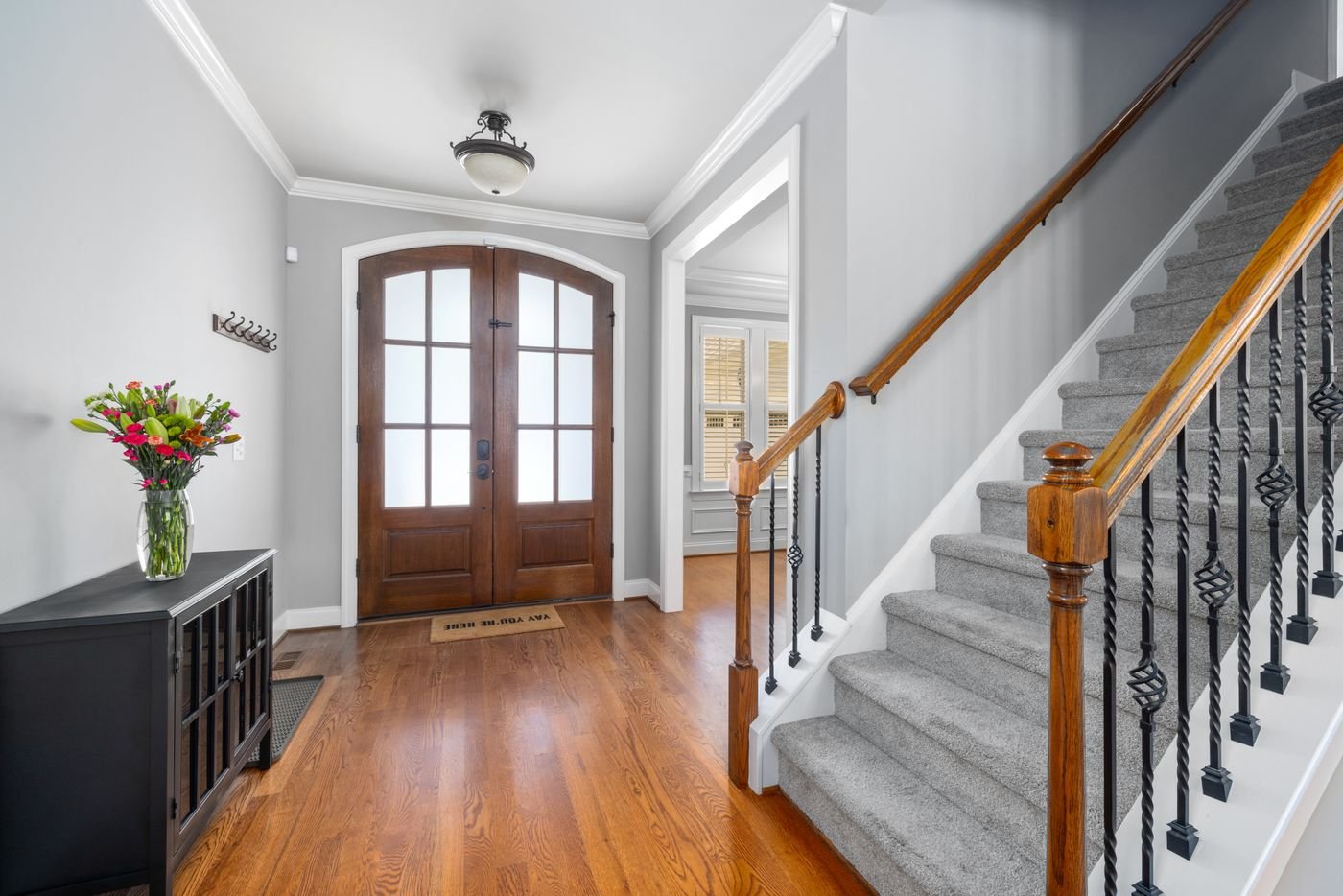
- Entry. A good mat, lighting, a clear step and a tidy door improve the arrival experience. See door installation and repair.
- Decks and patios. Clean, repair and refinish, and add a rug, lighting and shade. See summer projects.
- Fences and gates. Repair for privacy and security.
- Outdoor lighting. Motion-sensing or solar lights add safety.
- Landscaping. Simple planting and tidy edges can transform the look.
- Drainage. Fixing gutters and grading reduces mud and damp. See the spring checklist.
Safety and ease for all ages
Several comfort upgrades also improve safety and make a home easier to use for children, guests and older adults.
- Handrails on stairs, secure and continuous.
- Night lights and lighting at steps.
- Non-slip mats and treads.
- Lever handles on doors and taps.
- Smoke and carbon monoxide alarms, tested and current.
- Secured shelves and furniture.
See home safety upgrades for older adults for more.
Room-by-room quick wins
Entry and hallway
The entry sets the tone for the whole home. A solid mat, hooks at the right height, a bench or a shelf for keys, a bright light and a clean, well-fitting door make arriving and leaving easier. Add a tray for boots, and keep the floor clear. If the hall is dark, brighter bulbs, a mirror opposite a light source and a lighter paint colour make a large difference.
Living room
Rearranging furniture so that people can sit comfortably, talk and see the TV without strain costs nothing. Add layered lighting, a rug that anchors the seating, curtains that keep the heat in and a clear surface for everyday items. Mount the TV if it dominates a stand, and tidy the cables. Fix the squeak in the floor, and the wobble in the shelf.
Kitchen
Look at how you work, and remove the irritations: the drawer that sticks, the dim counter, the cabinet that you cannot reach and the drip from the tap. Improve the lighting over counters, add organisers to deep cabinets, replace worn handles and re-caulk around the sink and backsplash. If the whole kitchen is tired but sound, consider new paint, new hardware and a better faucet before considering a remodel. See the kitchen remodeling planning guide if the layout itself is the problem.
Bedrooms
A bedroom is comfortable when it is quiet, dark enough to sleep, warm enough in winter and cool enough in summer. Add blackout or lined curtains, seal drafts around the window, put a rug beside the bed, use dimmable lamps and fix doors that rattle or will not latch. Organise the closet so that clothes are easy to find, and keep the floor clear.
Bathrooms
Make sure the fan works and is quiet enough that people use it, re-caulk the tub and shower, replace tired accessories and add a shelf or niche for storage. A better showerhead, a brighter light at the mirror and a warm, non-slip mat cost little and are noticed every day.
Basement
Control moisture first, then add light, warmth and storage. Use a dehumidifier if the air is damp, rugs or flooring that suit the slab, brighter bulbs and shelving to keep things off the floor. See basement renovation before putting money into finishes.
Home office or study
Good light, a comfortable chair at the right height, enough outlets, tidy cables, a door that shuts quietly and storage within reach make a work corner much better. Place the desk to avoid glare on the screen, and add a task lamp.
A sample one-visit list
To show how small upgrades add up, here is the kind of list that a handyman might complete in a single day, and the difference it makes. Replace the weatherstripping on the front and back doors. Fit a door sweep to the basement door. Caulk the gaps around two windows. Adjust three sticking doors and tighten their hinges. Replace six cabinet handles. Hang two shelves in the pantry and one above the laundry machines, anchored to studs. Mount the TV and tidy the cables. Fit a night light along the hallway. Replace three burnt-out or mismatched bulbs with consistent LEDs. Replace two cracked cover plates. Fix the squeak in the stair. Re-caulk the tub. The total is a long list of small tasks, none of which is dramatic. Together, they make the house warmer, quieter, brighter, safer and more convenient, and they remove a dozen daily irritations.
If you are not sure what is on your own list, walk through the house with a notepad, and write down every small thing that bothers you. Most people are surprised at how long the list is, and how much of it can be solved in one visit. Our guide on how to prepare your home for a handyman visit explains how to get the most from the time.
Comfort that lasts: maintaining the upgrades
An upgrade is only worth the money if it lasts, and most small upgrades need a little care. Weatherstripping wears out and should be checked each fall. Caulk should be inspected each year. Paint should be touched up when scuffed, before the damage spreads. Filters need changing. Shelves should be checked for loading and for loosened fixings. Bulbs and dimmers should be matched when replaced, so that the colour stays consistent. Keep a note of the products you used and where you bought them, so that you can match them later. The year-round maintenance calendar shows how to build these checks into the year, so that the comfort you have created is not lost.
When a small upgrade is a sign of something bigger
Occasionally, a comfort problem turns out to be a symptom. A persistently cold room may point to missing insulation or a blocked duct. A window that sweats every winter may mean the humidity is too high or the glass seal has failed. A door that will not close may signal that the house is moving. A damp smell in a closet may reveal a leak. Treat these as clues, not just annoyances, and find the cause before spending on cosmetic fixes. A handyman can often help you work out whether something is a simple repair or a case for a specialist, and can refer you on if needed. It is better to spend a little on a diagnosis than a lot on covering a problem that will return.
What to leave to professionals
- Electrical work beyond replacing a fixture in the same place.
- Plumbing beyond simple like-for-like replacements.
- Gas appliances and connections.
- Structural changes and anything that involves removing or altering walls.
- Roof and high work.
- Insulation and ventilation work involving ducts and the building envelope.
- Anything that needs permits.
See handyman or contractor for how to choose who to hire.
Making a small budget go further
- Batch the jobs. A single handyman visit that covers many items is more efficient than many separate visits.
- Buy once, buy well. Quality hardware, bulbs and weatherstripping last longer and work better. Cheap items need replacing.
- Do the prep. Preparation determines the result. A cheap paint on a well-prepared wall beats an expensive paint on a poor one.
- Do not skip safety and water. They protect everything else.
- Use what you have. Moving furniture, changing the layout and decluttering cost nothing.
- Phase the work. Spread the list over the year, using seasonal timing. See the year-round calendar.
- Get written quotes for larger items. See how to compare quotes fairly.
- Keep a small reserve for surprises. See budget, contingency and allowances.
- Avoid chasing trends. Choose upgrades that improve how you live.
Common mistakes
- Starting with cosmetics. Drafts, leaks and safety come first.
- Buying cheap hardware and bulbs. They fail, and you pay twice.
- Painting without preparing. The result disappoints.
- Ignoring lighting. It affects every room.
- Adding shelves without proper anchors. They can fall. See hanging shelves properly.
- Doing licensed work yourself. Electrical and gas work are dangerous.
- Spreading the budget too thin. Choose fewer, better upgrades.
- Not fixing small annoyances. They affect daily comfort.
- Doing everything at once. Phasing is more manageable.
- Not asking for help. A handyman can save hours.
Comfort upgrade checklist
- Safety and water problems fixed before any cosmetic upgrade.
- Daily irritations listed after walking through the house for a day.
- Drafts sealed: doors, windows, attic hatch, rim joists and outlets.
- Heating and cooling serviced, vents cleared and ventilation working.
- Lighting improved with layers, good bulbs, dimmers and night lights.
- Rooms painted after proper preparation, with colours and sheens chosen for use.
- Doors, windows, handles and cabinet hardware repaired or replaced.
- Storage added: shelves, closet organisers and an entry system, fixed securely.
- TV and media mounted safely, with tidy cables.
- Sound reduced with rugs, seals and soft furnishings.
- Kitchen and bathroom refreshed with hardware, lighting, caulk and fixtures.
- Work grouped, phased and priced, with a small reserve.
Start with one visit
If you have a list of small things that would make your home more comfortable, send us photos and a short note, and we will tell you what we can do in a single visit, what is worth doing first and what might need a licensed trade. You can call 519-494-3673, message us on WhatsApp or use the contact page to request a free consultation.
Frequently asked questions
What are the most effective low-cost upgrades for comfort?
Sealing drafts and weatherstripping, improving lighting, fresh paint, fixing doors, windows and hardware that annoy you every day, adding storage and installing mats and window coverings. These address temperature, light, noise and convenience, which are what people notice most.
How do I decide which upgrade to do first?
Start with the things that affect comfort every day and fix real problems: drafts, cold rooms, poor lighting, sticking doors, clutter and noise. Safety and water issues come before cosmetic changes. Then choose upgrades that give the most improvement for the least cost and disruption.
Can I do these upgrades myself?
Many are suitable for a careful homeowner, such as caulking, weatherstripping, painting and rearranging storage. Electrical work, plumbing, gas and structural jobs need licensed professionals. A handyman can complete many small upgrades in one visit, which is often an efficient way to get a long list done.
Will these upgrades increase the value of my home?
They can improve how a home feels and shows, and they avoid problems that put buyers off, but we cannot promise any particular return. Comfort upgrades are mainly for the people living in the home. If resale matters, talk to a local real estate professional about your market.
How do I stay within budget?
Make a list, rank it, get written quotes for larger items, group small jobs into one visit, avoid changing plans midway and keep a small reserve for surprises. Phasing the work over time is often better than stretching a budget to cover everything at once.
Last updated