
Carpet Flooring in London, Ontario
- Free consultation
- Written estimates
- London, Ontario
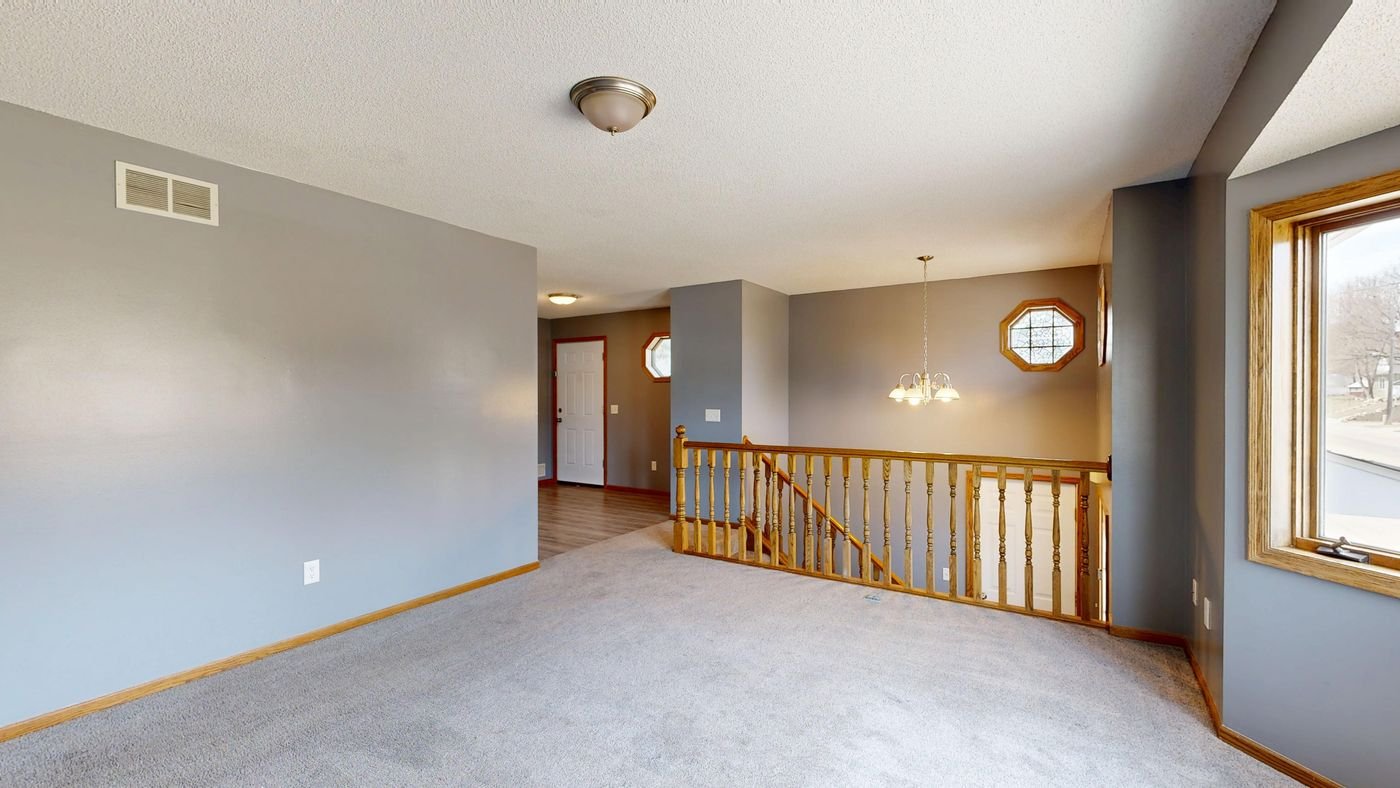
Carpet is comfortable underfoot and good for sound and warmth in bedrooms, basements and stairs.
What Carpet Flooring includes
- Carpet and underlay installation
- Stairs and landings
- Stretching and repairs
- Removal of old carpet
How we work
- Preparation. Tell us about the job. We review photos and details, ask the right questions and give you a clear estimate.
- Communication. We agree scope, materials and timing with you and keep you updated as work progresses.
- Execution. We do the work carefully, protect your space, clean up and walk you through the result.
Good to know: A good underlay is as important as the carpet; it affects comfort and durability.
Soft, warm and quiet underfoot
Carpet has a place in modern homes. It is warm in cold Ontario months, absorbs sound, softens falls and makes bedrooms, stairs and family rooms feel comfortable. Today’s carpets come in a wide range of fibres, textures and colours, and they are very different from the carpets of a few decades ago. But the result depends on three things working together: the carpet itself, the underlay beneath it and the quality of the installation.
This guide explains how to choose and install carpet in London, Ontario homes. For other floor types, see our flooring services.
Where carpet suits
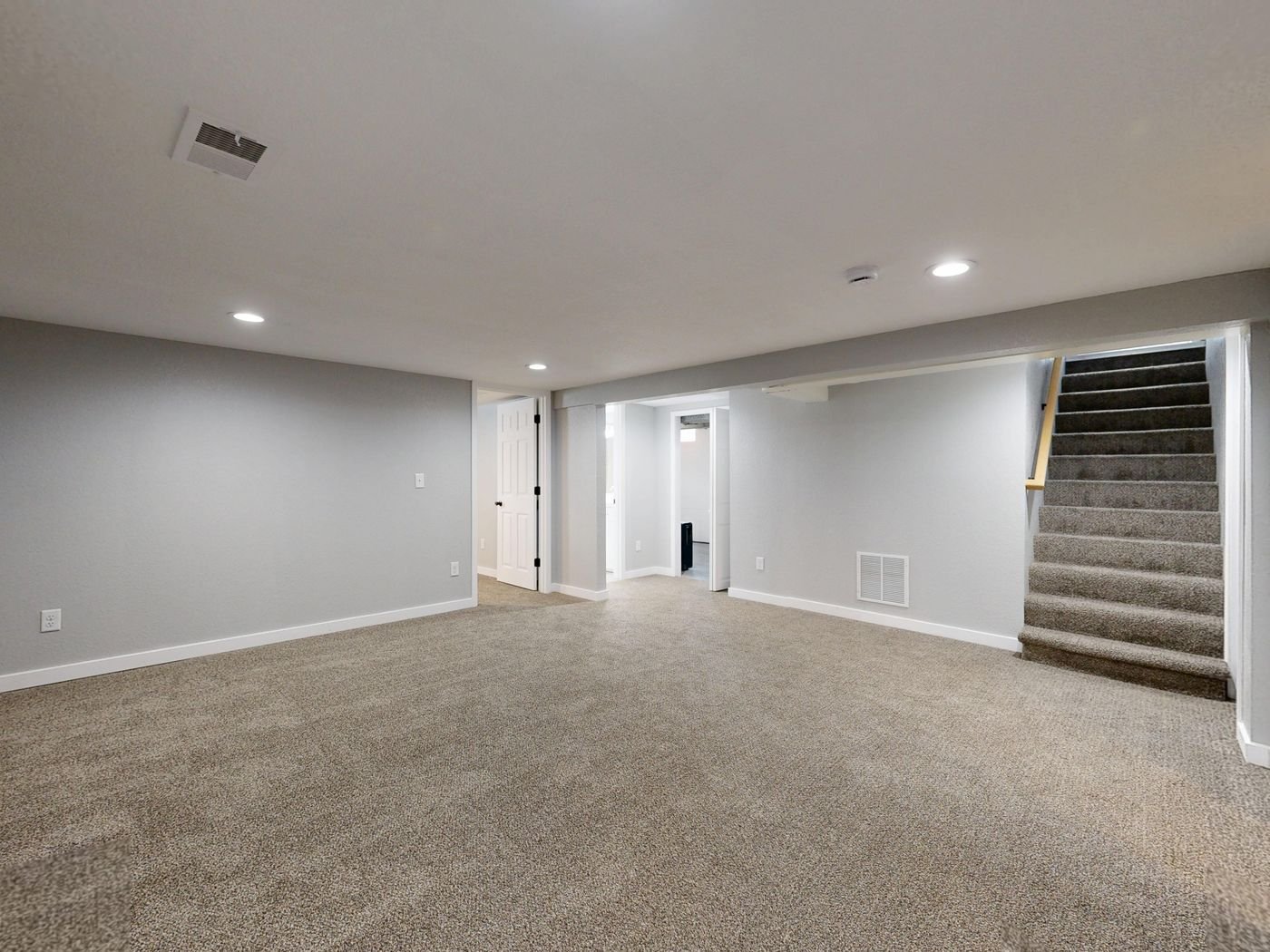
- Bedrooms. Warm and quiet where you start and end the day.
- Stairs. Safer grip and reduced noise, with careful installation.
- Family and media rooms. Comfort for lounging and play.
- Upstairs rooms and condos. Helps reduce sound moving to rooms below.
- Dry basements. Warmth over a cool slab, with moisture checked first. See basement finishing.
It is generally not recommended for bathrooms, entries or places that are often wet.
Understanding carpet types
Fibre
- Nylon. Resilient and durable, a common choice for busy areas.
- Polyester. Soft, with rich colour, often chosen for bedrooms and lighter traffic.
- Wool. A natural fibre, durable and comfortable, usually at a higher level of care and cost.
- Blends. Combine properties of different fibres.
Style
- Cut pile (plush, textured, frieze). Soft and cosy, with varying degrees of texture.
- Loop pile (Berber). Hard-wearing and less likely to show footprints.
- Cut and loop. Patterns and texture, with varied surface.
Density and twist matter as much as the fibre. A dense, tightly twisted carpet usually wears better than a loose one. See samples in your room’s light before choosing.
Underlay: the hidden part that matters
The underlay, or pad, sits between the carpet and the floor. It supports the carpet, absorbs impact, reduces noise and improves insulation. A good underlay extends carpet life, and a poor one can make even a quality carpet feel thin and wear quickly. The right type depends on the room, the carpet and the floor. Very thick or very soft underlay can be a poor match for some carpets, so we follow manufacturer guidance and pair them carefully.
Preparing the floor
Before carpet goes down we check the subfloor.
- Dry. Moisture, especially on concrete, damages carpet and underlay.
- Clean and smooth. Debris, old staples and bumps show through.
- Solid. Squeaks and loose boards are fixed first.
- Properly edged. Tack strips are fastened around the perimeter to hold the carpet.
Installation steps
- Measure and plan seams. Seams are placed away from high-traffic lines and doors where possible, and the carpet pile direction is kept consistent.
- Remove old carpet and underlay and prepare the floor.
- Install tack strips and underlay.
- Cut and fit the carpet with a small allowance for trimming.
- Stretch. The carpet is stretched tight over the tack strips with a power stretcher, which stops ripples and wrinkles.
- Trim and tuck. Edges are trimmed and tucked neatly at walls and transitions.
- Finish and clean. Doorways, vents and thresholds are finished, and the area is vacuumed.
Stairs
Stairs are one of the more detailed carpet jobs. The carpet wraps each tread and riser, fastened securely at the edges so it will not loosen or become a trip hazard. Matching pattern and pile direction on every step takes care. Because stairs are a safety area, secure fastening and a well-fitted finish are essential.
Doors, trim and transitions
Carpet changes the height of a floor, and doors may need trimming. Transitions to other floors, such as tile or hardwood, need appropriate strips so edges are protected and look tidy. We plan these details before installation. See door installation and repair if a door needs adjusting.
Carpet, allergies and indoor air
Carpet traps dust, pollen and pet hair, which can be an advantage or a problem depending on your household. Regular vacuuming with a good filter, prompt cleaning of spills and good ventilation help. If anyone in the home has allergies or asthma, it is worth considering hard flooring in some rooms, such as vinyl or hardwood.
Care and maintenance
- Vacuum regularly, more often in busy areas.
- Blot spills quickly, do not rub, and use gentle cleaners.
- Use mats at entrances to catch salt, slush and grit.
- Move furniture slightly to avoid permanent dents.
- Arrange occasional professional cleaning, following the manufacturer’s guidance.
- Keep leftover carpet for later repairs.
Common carpet mistakes
- Cheap or wrong underlay. The carpet wears and feels thin.
- Poor stretching. Ripples and wrinkles develop.
- Carpet over damp floors. Odours and mould follow.
- Choosing by colour alone. Density and fibre decide durability.
- Visible seams. Seams placed in the wrong spot or poorly joined.
- Forgetting transitions. Edges fray or trip people.
- Not keeping extra. It helps with future repairs.
Carpet planning checklist
- Room use, traffic and moisture considered.
- Fibre, style and density chosen, with samples seen in your light.
- Underlay matched to the carpet and room.
- Subfloor checked and repaired.
- Seam positions and pile direction planned.
- Doors, stairs and transitions planned.
- Old carpet removal and disposal arranged.
Carpet construction: what to look for in a sample
Two carpets can look the same on a sample board and behave very differently after a few years. The construction matters more than the colour.
- Face weight. The weight of the pile fibre per area. Higher face weight generally means more material, but quality of fibre and density matter too.
- Density. How tightly the tufts are packed. Press your fingers into a sample: dense carpet resists crushing and holds its look.
- Twist. How tightly the yarn is twisted. A tighter twist resists untwisting and matting.
- Pile height. Short pile is easier to clean and good for traffic. Long pile feels soft but shows tracks and can mat.
- Backing. The woven base that holds the tufts. A strong backing helps the carpet stretch evenly and keep its shape.
- Stain and soil treatments. Factory treatments help with spills and dirt. They differ between products.
- Warranty terms. Read what is covered and what is excluded.
The hand test, the density test and a look at the back of the sample tell you more than the label. We are happy to help you compare samples in your own lighting.
Fibre choices in more detail
Nylon
Known for resilience, nylon recovers well from foot traffic and furniture marks. It takes dye well and is a common choice for stairs, hallways and family rooms. Some types are naturally stain-resistant, and others are treated.
Polyester (PET)
Soft, with strong colour and good stain resistance. It can mat in heavy traffic, so it is often chosen for bedrooms and low-traffic areas. Some polyester carpets are made from recycled materials.
Polypropylene (olefin)
Resistant to moisture and stains, often used in loop-pile carpet for basements and commercial areas. It is less resilient and can crush more easily.
Wool
A natural, resilient and durable fibre, with a luxurious feel. It needs more careful cleaning and is usually costlier. Wool blends offer some of the benefits at lower cost.
Triexta and other blends
Newer fibres offer softness and stain resistance. Properties vary by product, and manufacturer information is the best guide.
Pile styles and when to use them
- Plush (velvet). A smooth, dense cut pile with a formal look. It shows footprints and vacuum marks, and suits bedrooms and formal rooms.
- Textured cut pile. A blend of yarn colours and twists that hides marks. A good all-rounder for living rooms and family rooms.
- Frieze. A tightly twisted, curly pile that hides wear well and suits busy areas.
- Level loop (Berber). Loops of uniform height, durable and good for traffic. Pulled loops can run, and pets with claws can snag it.
- Multi-level loop. Loops at different heights create a pattern and hide traffic.
- Cut-and-loop. A blend of cut and looped yarns, for patterned and sculpted effects.
Underlay in detail
Underlay (also called cushion or pad) has a major effect on comfort, noise and carpet life. Common types include:
- Rebond foam. Made from recycled foam pieces, widely used and good value.
- Prime polyurethane foam. Consistent and soft.
- Rubber and crumb rubber. Dense and durable, good for heavy traffic.
- Fibre pad. Made from natural or synthetic fibres, suited to some carpet types.
- Moisture-barrier underlay. Has a film or backing that resists moisture, used in some basement installations.
Thickness and density need to match the carpet. An underlay that is too soft or too thick can let the carpet flex, which damages the backing and can void the carpet’s warranty. Manufacturer guidance sets the acceptable range.
Preparing for carpet: a longer checklist
- Measure accurately, including closets, stairs and odd corners, and plan for seams and pile direction.
- Remove furniture from the rooms, and clear the closets.
- Remove old carpet and underlay, then tack strips and staples.
- Inspect the subfloor for damage, squeaks and moisture.
- Repair and level, then vacuum thoroughly.
- Install new tack strips around the perimeter, with the right gap from the wall.
- Lay the underlay, with seams taped, and trim it to fit.
- Cut and fit the carpet with seams positioned carefully, then stretch and fasten.
- Trim and finish edges, doorways and transitions.
- Replace furniture and clean up.
Seams, patterns and pile direction
Carpet comes in wide rolls, commonly around four metres wide, so many rooms can be covered without seams. Where seams are needed, they should be placed away from the main sight lines, away from doorways where possible and parallel to the main traffic direction. Seams are joined with seaming tape and heat, and the edges are sealed to prevent fraying.
Cut-pile carpet has a direction, and the shade appears different depending on which way the pile leans. Pieces should be laid with the pile running the same way, or the seam will show as a colour change. Patterned carpets need careful matching at seams.
Carpet on stairs: a closer look
- Waterfall method. The carpet flows over the nosing and down the riser in one piece. It is quicker but wears at the edge and can feel soft underfoot.
- Cap-and-band method. Each tread and riser is covered separately, giving a crisp, tailored look and the ability to rotate worn pieces.
- Runners. A strip of carpet down the middle of the stair, with wood visible at the sides. It needs careful alignment.
- Safety. Firm fastening, a secure underlay and visible step edges reduce slips. Patterned carpet can hide the edge of steps, so choose with care.
Carpet tiles and area rugs
Carpet tiles are squares that can be laid in patterns and replaced individually, which makes them useful in basements, offices and rental properties. Area rugs allow you to combine hard flooring with softness, and they can be changed or cleaned easily. Rugs on hard floors should have a suitable pad, to prevent slipping and to protect the floor underneath.
Cleaning and maintenance in more detail
Vacuuming
Vacuum high-traffic areas several times a week, and the rest weekly. A vacuum with good suction and a clean filter removes grit that wears fibres. Adjust the beater bar to suit the pile, and avoid it on loop pile.
Spills and stains
Blot with a clean white cloth, working from the outside in. Do not rub. Use a cleaner suited to the fibre and the stain. Test in a hidden spot first. Avoid over-wetting, which can reach the underlay and the subfloor.
Professional cleaning
Many manufacturers recommend deep cleaning at intervals, following their guidance. Methods include hot-water extraction and low-moisture systems. Choose a method that suits your carpet and its warranty.
Odours and pets
Pet accidents soak into the underlay. Act quickly, blot and use an enzyme-based product. Persistent odours may require lifting the carpet to treat the underlay and the subfloor.
Furniture dents
Move furniture slightly from time to time, use coasters under heavy legs and groom dented areas with a spoon or comb to lift the fibres.
Common carpet problems and what causes them
- Ripples and wrinkles. Usually from poor stretching, a poor-quality or incorrect underlay or moisture. Re-stretching can fix them.
- Matting and crushing. From traffic and insufficient density. Choosing the right carpet is the best prevention.
- Fuzzing or pilling. Loose fibres rising to the surface. They can be trimmed and tend to stop after a time.
- Fading. From sun and some cleaning products. Use window treatments and gentle cleaners.
- Edges lifting. From a failed tack strip, poor trimming or movement. Re-fastening corrects it.
- Visible seams. From poor placement, pile direction or sealing. A skilled installer can often improve them.
- Odours. From moisture, spills or underlay. The source must be found and treated.
Frequently asked questions in more detail
Is carpet bad for allergies?
Carpet traps dust and allergens, which can be an advantage, because they are held until vacuumed, or a problem if cleaning is neglected. Regular vacuuming with a good filter and periodic deep cleaning help. If allergies are a major concern, discuss hard flooring in key rooms with your doctor and with us.
Can carpet be installed over hardwood?
Carpet is often installed over old hardwood, which may preserve it for the future. Tack strips fasten into the wood. If you may want to restore the hardwood later, tell us, and we plan to minimise damage.
Is carpet suitable for rentals?
It can be, but it is harder to keep fresh between tenants. Durable, mid-priced carpet with a good underlay, or carpet tiles, suit rental units.
Do you remove and replace carpet on stairs?
Yes. Stairs are covered with careful measurement and secure fastening.
How long does installation take?
It depends on the size, the layout, removal of the old carpet and the subfloor condition. We give a time estimate with the quote, and we let you know if anything changes.
Carpet installation visit: what to expect
Before the visit
We confirm measurements, the carpet and underlay ordered, how furniture will be handled and the access for materials. Rolls of carpet are long and heavy, and we need a clear path for them, which can be tricky in apartments and homes with narrow stairs.
On the day
The team protects surfaces, lifts the old carpet and underlay, prepares the subfloor and installs tack strips. The new underlay is laid, then the carpet is rolled out, cut and stretched. Seams are made, edges are tucked and trimmed and transitions are fitted. The work is done in a logical sequence from the farthest room to the door, so that finished rooms are not walked over.
After the work
We vacuum the carpet, remove packaging and offcuts, and walk through the work with you. You may notice a new-carpet smell and some shedding of loose fibres at first. Ventilate the room, and vacuum gently. Both settle in a short time.
Carpet in different kinds of homes
- Family homes. Durable, stain-resistant carpet in busy areas, and plush in bedrooms.
- Condos and apartments. Carpet reduces sound travel to neighbours, which may be part of building rules. Moving materials needs planning for elevators.
- Older homes. Carpet may cover original hardwood, and installation needs care not to damage it.
- Rental properties. Mid-grade, hard-wearing carpet or carpet tiles keep costs and downtime in check.
- Homes with pets. Tighter, lower-pile carpets resist claws better, and loop piles can snag. Choose stain-resistant fibres, and plan for cleaning.
- Homes with older adults. Firm, low-pile carpet with a firm underlay is safer than very soft, deep carpet, which can make walking harder.
Environmental and health notes
- Emissions. New carpet and adhesives can release odours. Look for products with low-emission certifications, and ventilate.
- Recycled content. Some carpets and underlays include recycled materials.
- Disposal. Old carpet is bulky. Check local options for disposal and recycling, and ask us about removal.
- Allergies. Regular vacuuming and deep cleaning help. Discuss your concerns with us when choosing.
Carpet budgeting and value: what to think about
Carpet pricing varies widely, and the cheapest option is not always the best value. We do not quote prices here, but we can explain how to think about value.
- Cost per year of use. A carpet that lasts twice as long at a moderate premium is cheaper over time.
- Underlay quality. A good underlay extends carpet life and improves comfort, and it is one of the best places to spend a little more.
- Room use. A guest bedroom can take a lighter-duty carpet, and a staircase or family room needs something tougher.
- Installation quality. Poor stretching and seaming spoil even excellent carpet.
- Removal and disposal. Old carpet is heavy, and removal adds to the labour.
- Subfloor repairs. Squeaks, damage and moisture should be fixed before covering.
When comparing quotes, check that each includes the same underlay, removal, furniture handling, trim and stairs.
Carpet and your home's heating and comfort
Carpet adds insulation, which can make rooms feel warmer, especially over cold slabs and in upper-storey bedrooms. A good underlay adds to this. Carpet can reduce the feeling of draughts at floor level. In rooms with in-floor heating, the carpet and underlay have a combined thermal resistance that can slow heat transfer, so check compatibility and the allowed values with the heating system’s manufacturer. Where heating vents are in the floor, carpet is cut and fitted around them, and the vent should stay clear for airflow.
Replacing carpet with another floor later
Many people choose carpet now and consider hard flooring later, especially in bedrooms. A few points make that easier. Tack strips and staples are removed, the subfloor is left clean and the underlay is taken out. If you are thinking of exposing original hardwood, tell us, and we plan the carpet installation to limit damage: fewer staples, careful tack strip placement and attention to the finish. When the day comes to change, your subfloor will be in better shape.
Carpet installation checklist
- Rooms, closets and stairs measured, with seams and pile direction planned.
- Carpet fibre, style, density and underlay chosen together.
- Samples checked in your lighting at different times of day.
- Subfloor inspected for moisture, squeaks and damage.
- Furniture handling and removal of old carpet agreed.
- Transitions to other floors chosen.
- Delivery access confirmed, including elevators and stairs.
- Leftover carpet kept for future repairs.
Official guidance: For independent consumer information in Ontario, see Consumer Protection Ontario.
Carpet installation in London, Ontario
Tell us about the rooms and how you use them. We will visit, check the floor and give you a clear written estimate. You can call 519-494-3673, message us on WhatsApp or use the contact form for a free consultation. For wider projects, see home renovation.
Before we start
A little preparation makes carpet flooring go more smoothly. The room dimensions or a floor plan, photos of the existing floor and a note about how the space is used.
Serving London, Ontario
We work with homeowners, landlords and businesses across London, Ontario and the surrounding area. Call 519-494-3673 or request a free consultation. You can also browse all of our services or see more flooring work.
Frequently asked questions
How much does carpet flooring cost in London, Ontario?
Flooring cost depends on the material, the area, the pattern and the subfloor condition. We measure the space, check the subfloor and then price materials and labour separately so you can compare. Call 519-494-3673 or send a message for an estimate for your address.
How long does carpet flooring take?
Most rooms are installed in one to a few days, depending on the material and how much subfloor preparation is needed. Removal of old flooring is planned into the same schedule.
What should I have ready before booking carpet flooring?
The room dimensions or a floor plan, photos of the existing floor and a note about how the space is used.
What should I know about carpet flooring before we start?
A good underlay is as important as the carpet; it affects comfort and durability.
What is the most important part of a carpet installation?
The underlay and the stretching. A good underlay adds comfort, sound reduction and life to the carpet, and proper stretching keeps it from rippling or wrinkling. Both matter as much as the carpet you choose.
Is carpet a good choice for a basement?
It can be, if the slab is dry and the right underlay is used. Moisture is the main risk, so we check the floor first and may suggest another material if conditions are damp.
How long does carpet last?
It depends on the fibre, the construction, the traffic and the care. Quality, density and the underlay all influence how it wears. We help you choose a carpet suited to how the room is used.
Can you remove and dispose of the old carpet?
Yes. Removal of old carpet, underlay and tack strips can be included, and we check the subfloor underneath for repairs before the new carpet goes in.
How do I keep carpet clean?
Vacuum regularly, treat spills quickly, use mats at entrances and arrange professional cleaning occasionally using methods recommended for your carpet type. Avoid over-wetting.
Related services
Flooring
Floors take more wear than any other surface. We install hardwood, tile, carpet and vinyl, and…
Learn more →Hardwood Flooring
Hardwood adds warmth and lasting value. We install, repair and finish hardwood floors with attention to…
Learn more →Tile Flooring
Tile is durable and ideal for kitchens, bathrooms and entryways. Flat substrates and correct setting materials…
Learn more →Vinyl Flooring
Modern vinyl plank and tile are durable, water-resistant and look like wood or stone, a practical…
Learn more →Last updated
Free consultation
Tell us what you need and get a clear, written estimate.
Ready to start your project?
Book a free consultation. Tell us what you need and we will get back to you with clear next steps.